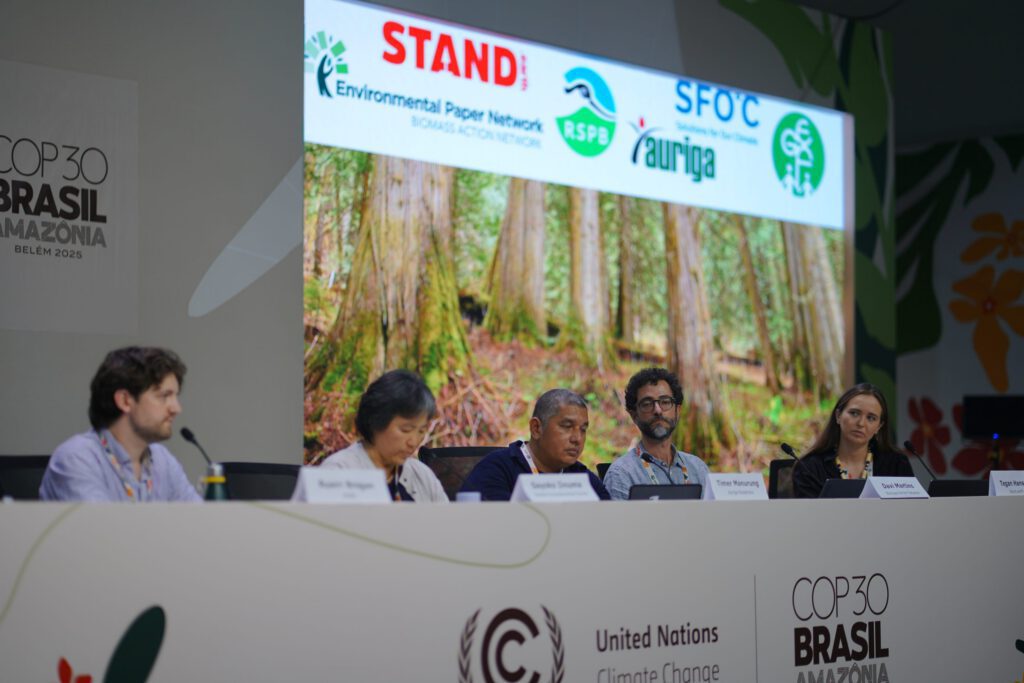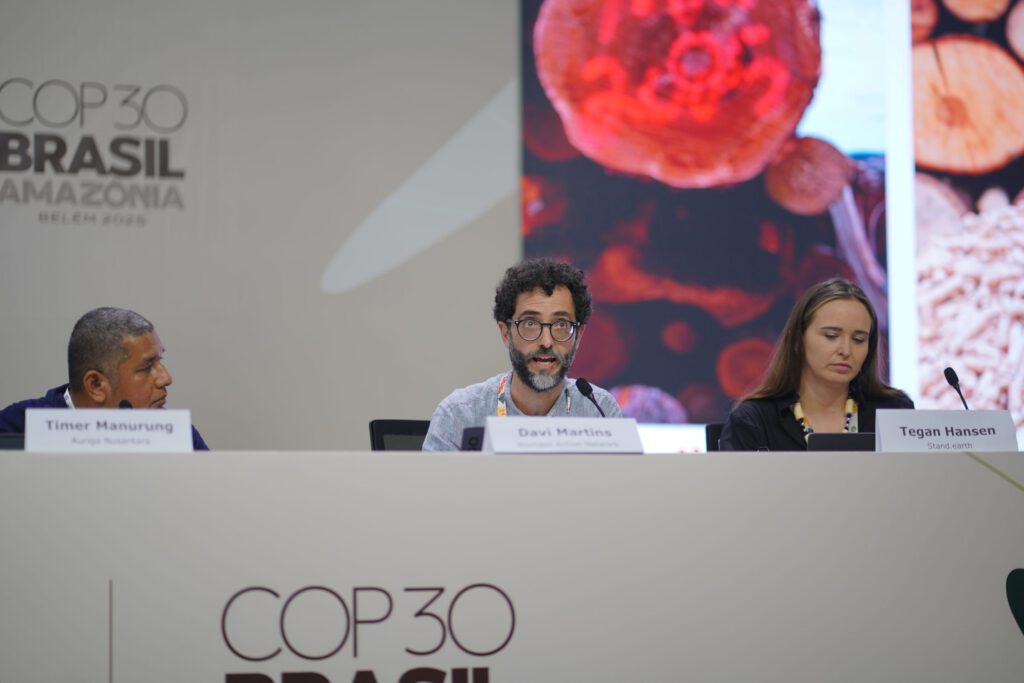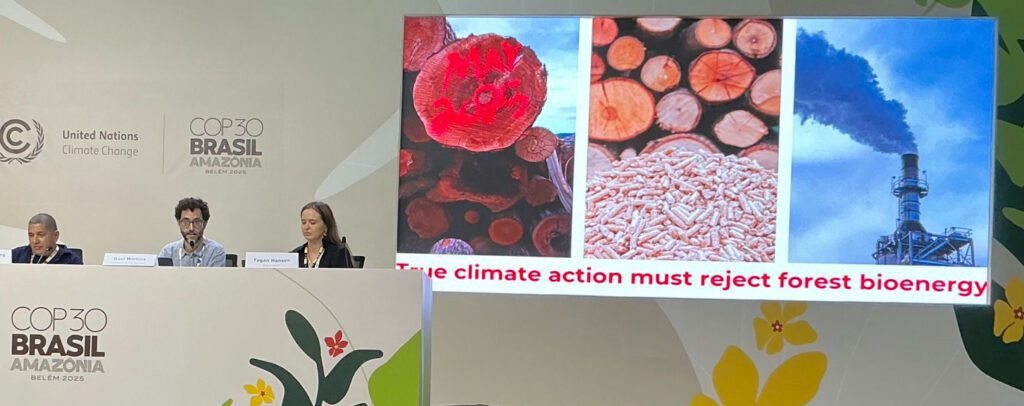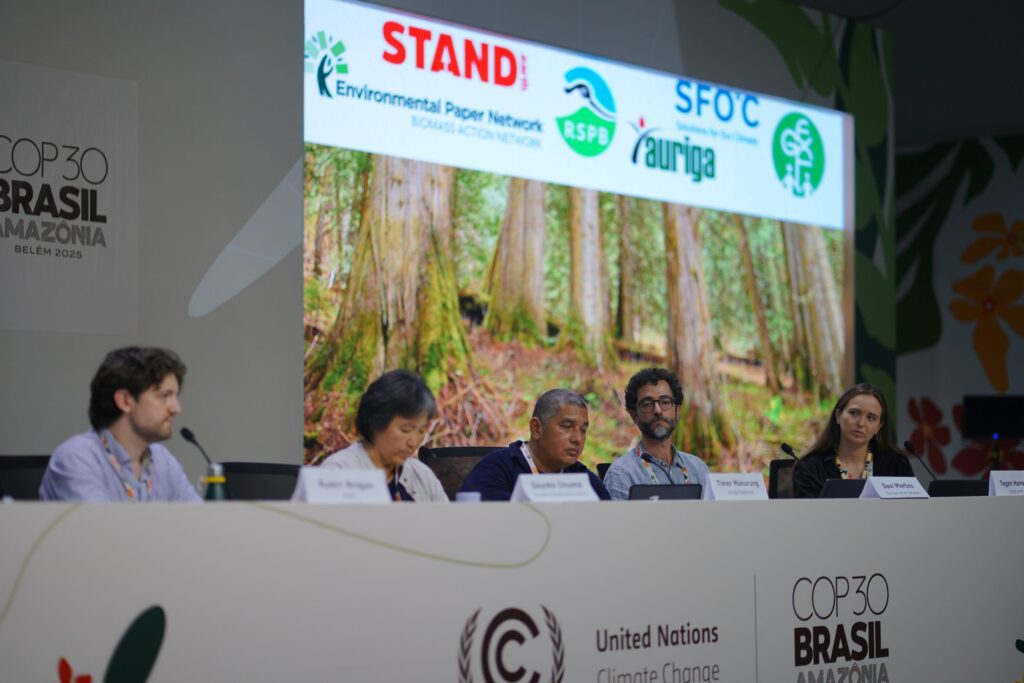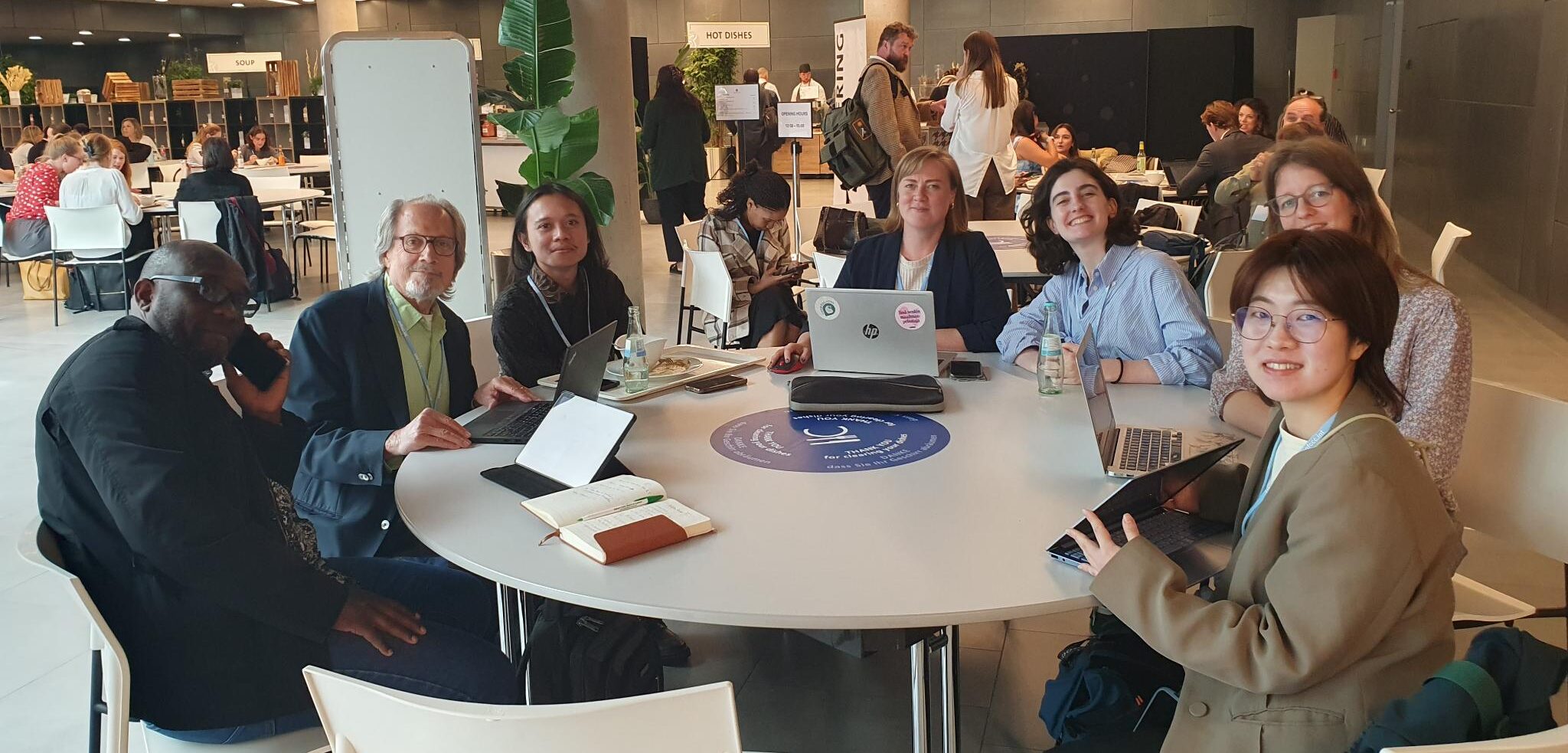
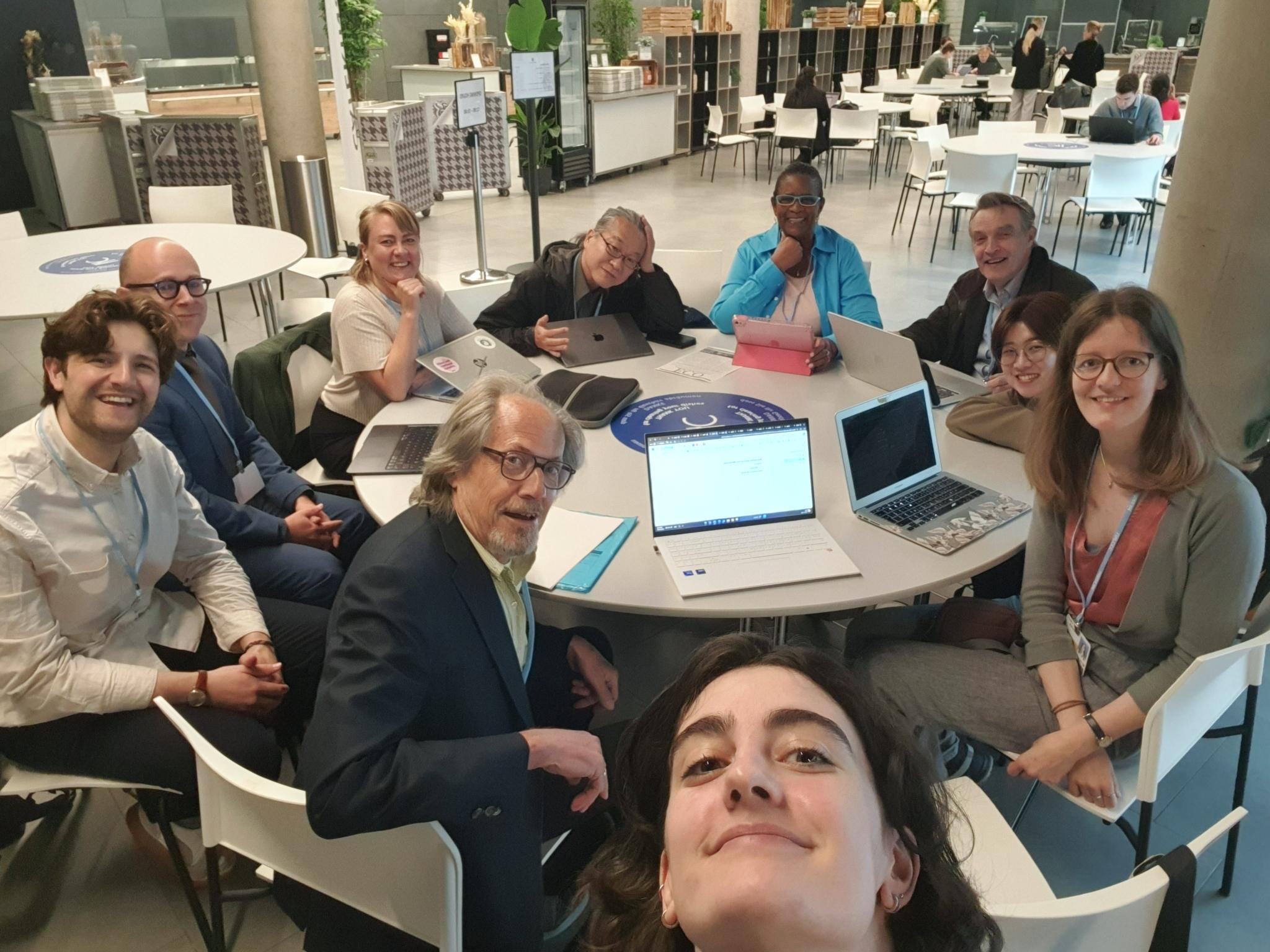
From June 8th to 18th, the Biomass Action Network was present in Bonn for the 64th session of the Subsidiary Bodies (SB64). This annual mid-year climate conference is a key part of the United Nations Framework Convention on Climate Change and serves as a technical drafting ground for important international climate policies and negotiations.
At the closing of COP30 in Belém, the COP President announced an intention to develop two roadmaps during the presidency: the roadmap for Transitioning Away from Fossil Fuels in a Just, Orderly and Equitable Manner (TAFF Roadmap) and the Roadmap to Halting and Reversing Deforestation and Forest Degradation by 2030 (Forests Roadmap).
BAN’s COP Biomass Taskforce was on the ground to argue that these roadmaps must be complementary and strategically aligned, and released a briefing and press release summarising how forest bioenergy undermines the objectives of both Roadmaps and sets out criteria to safeguard against this risk.
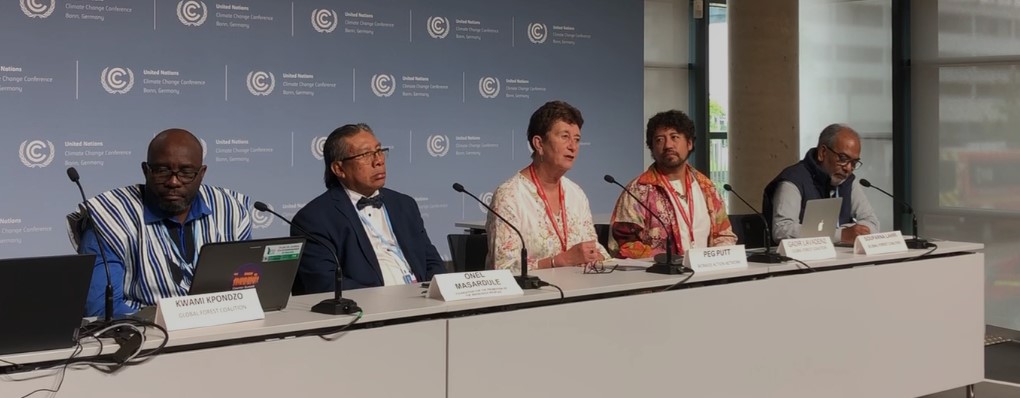
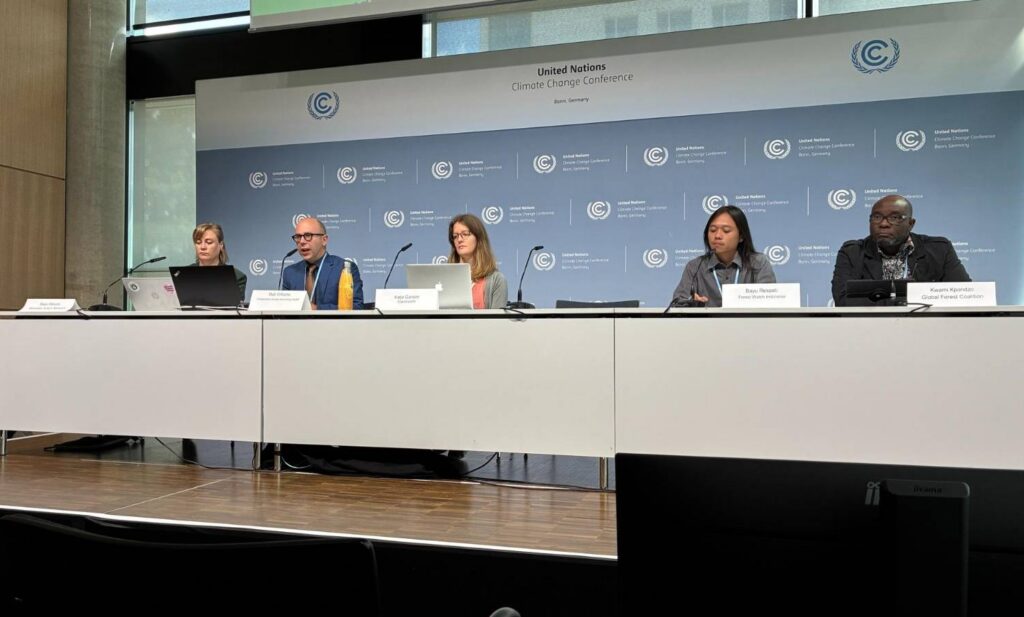
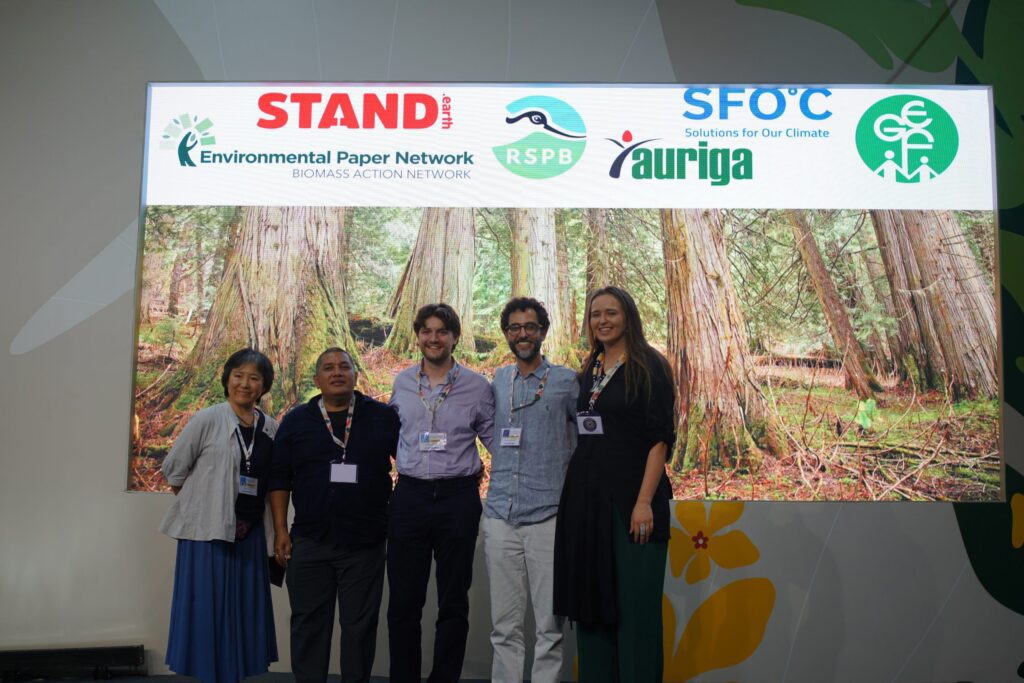
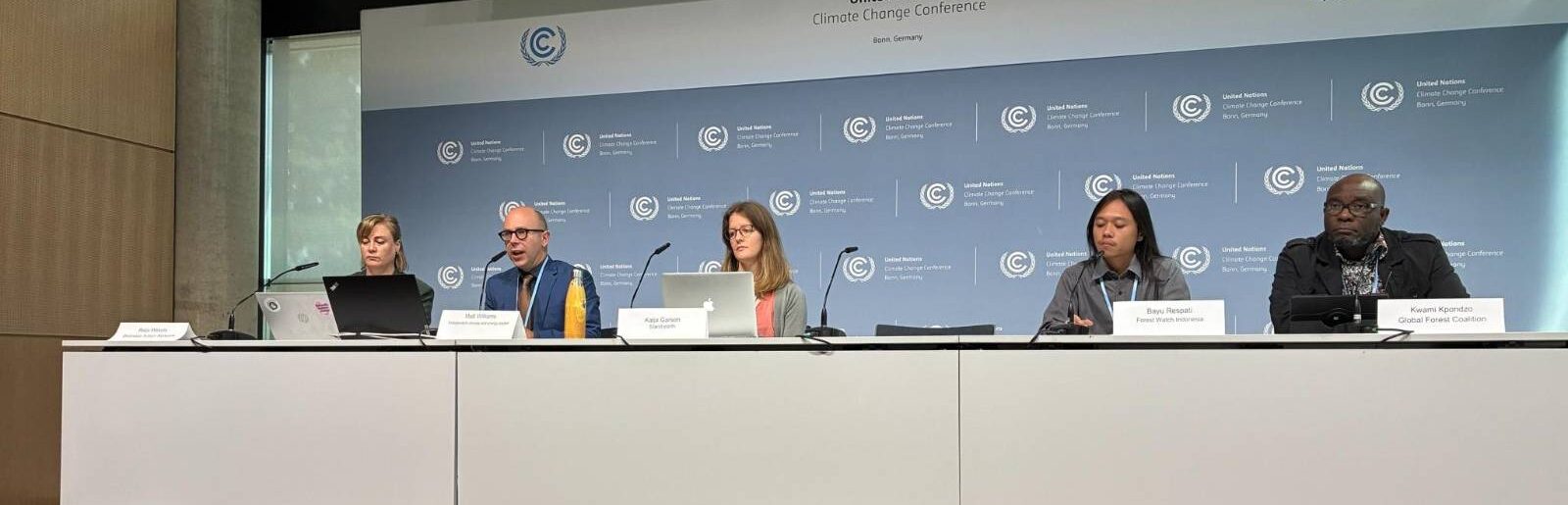
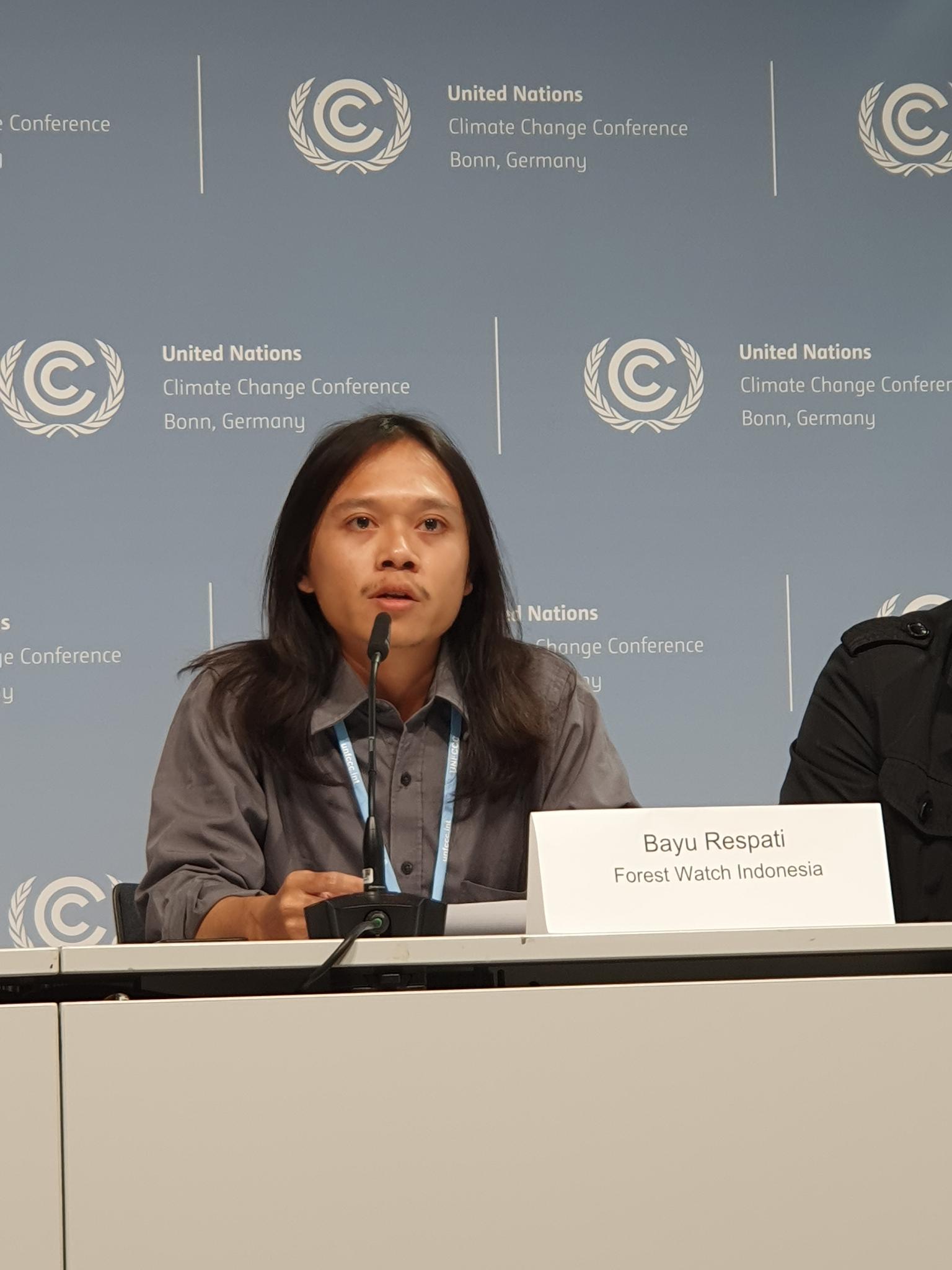
On Tuesday 9th from 11.00 – 11.30 CEST, the Biomass Action Network, in collaboration with the Global Forest Coalition, held a press conference entitled: “A Roadmap to Forest Destruction: Revealing the True Emissions from Bioenergy and the Impacts on Local Communities”. Speakers included Matt Williams (Independent climate and energy expert), Katja Garson (Stand.earth), Bayu Respati (Forest Watch Indonesia), and Kwami Kpondzo (Global Forest Coalition). It was moderated by Reija Mikkola (Co-coordinator of the Biomass Action Network). In addition to impacts on climate and forests, the press conference highlighted the negative effects of bioenergy on people all around the world – spotlighting case studies and amplifying voices from front-line communities. During it, BAN launched its new briefing on the Human Rights impacts of large-scale biomass energy. Watch the press conference here or below.
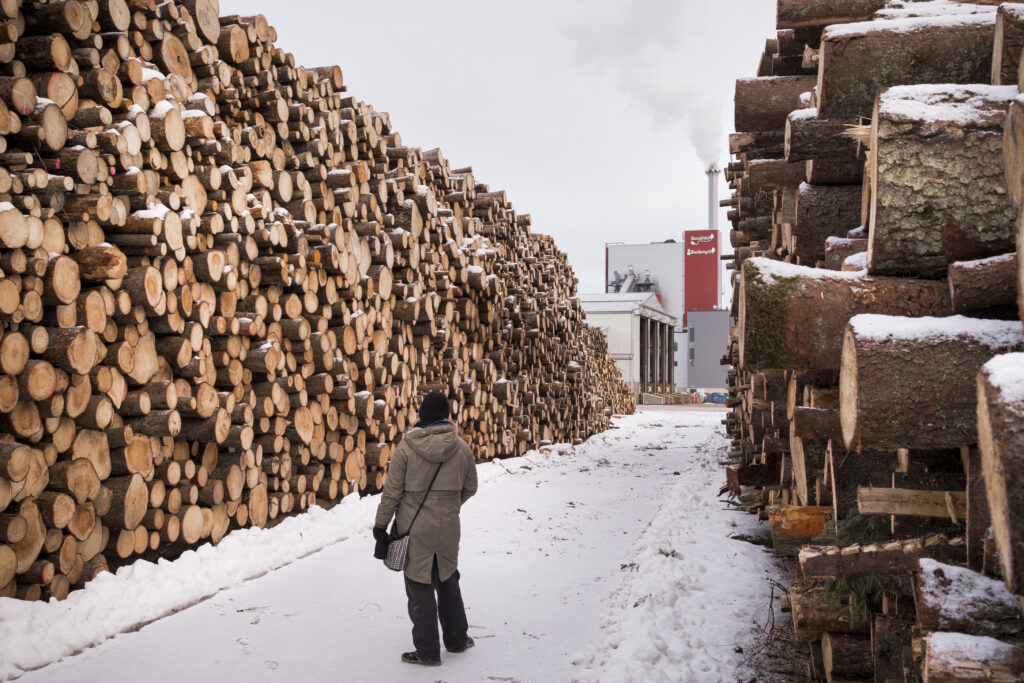
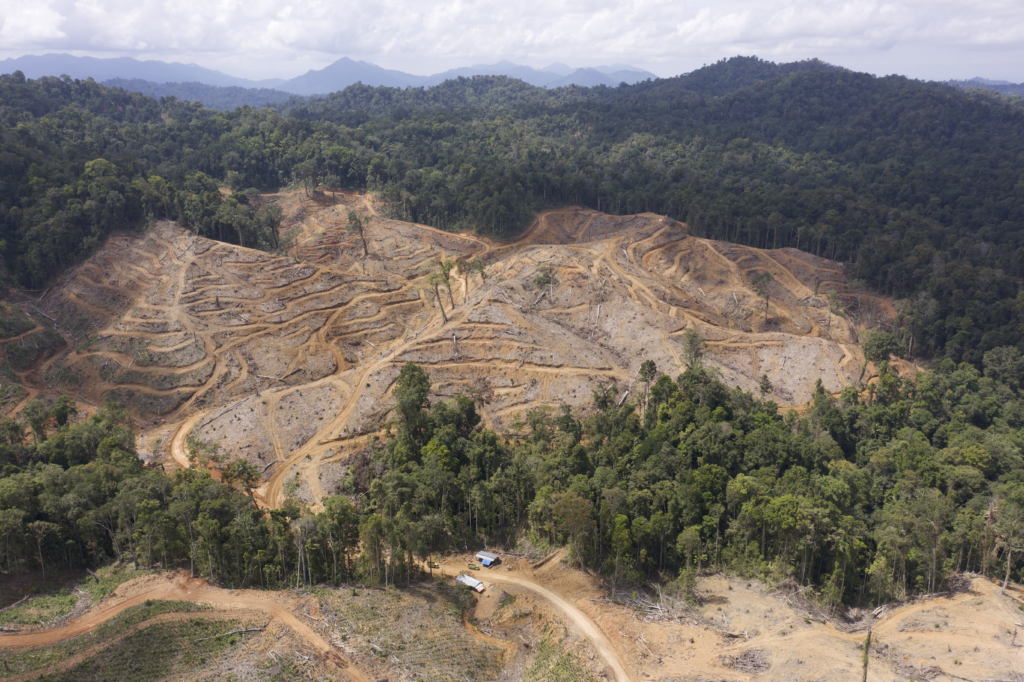
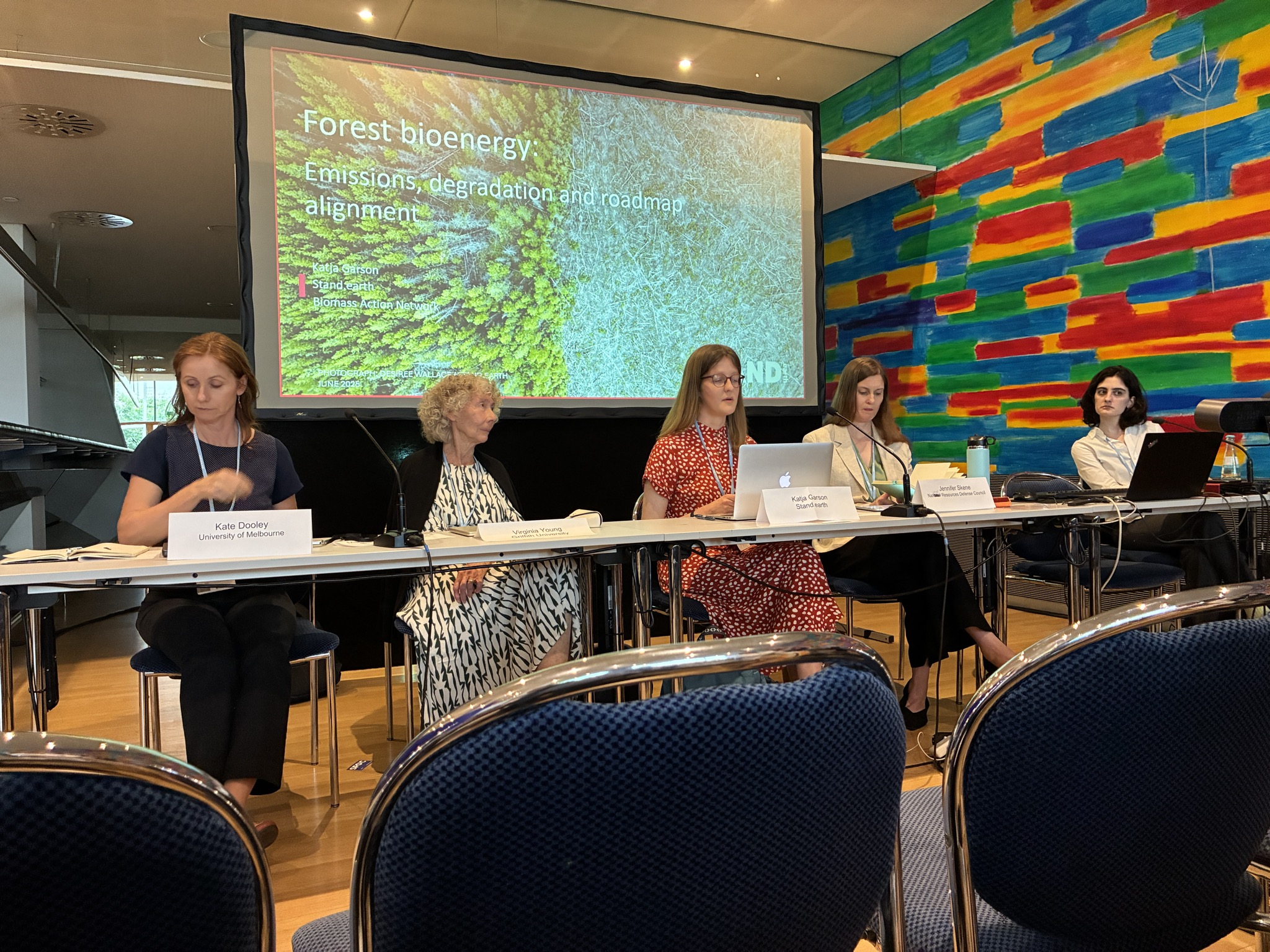
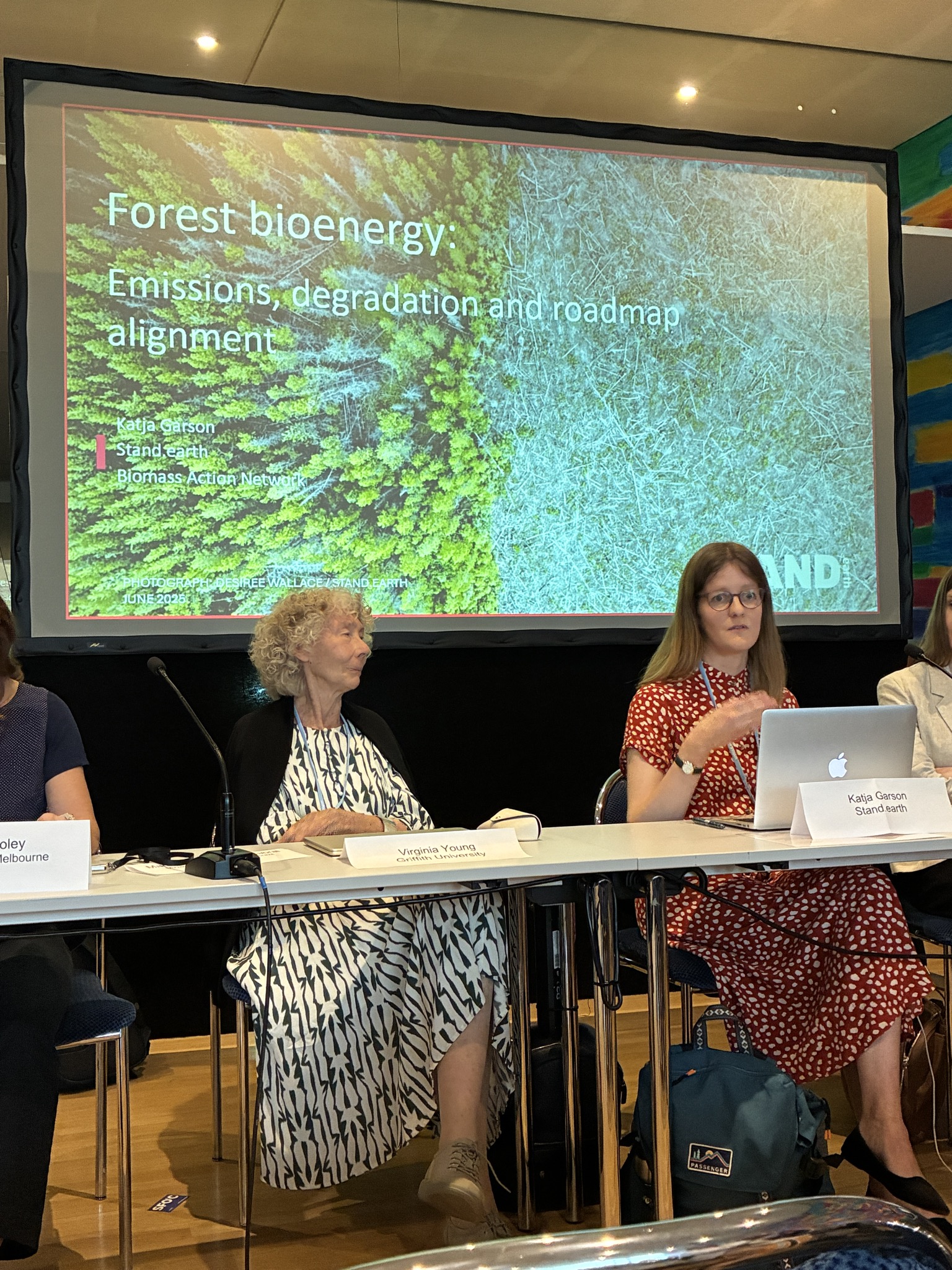
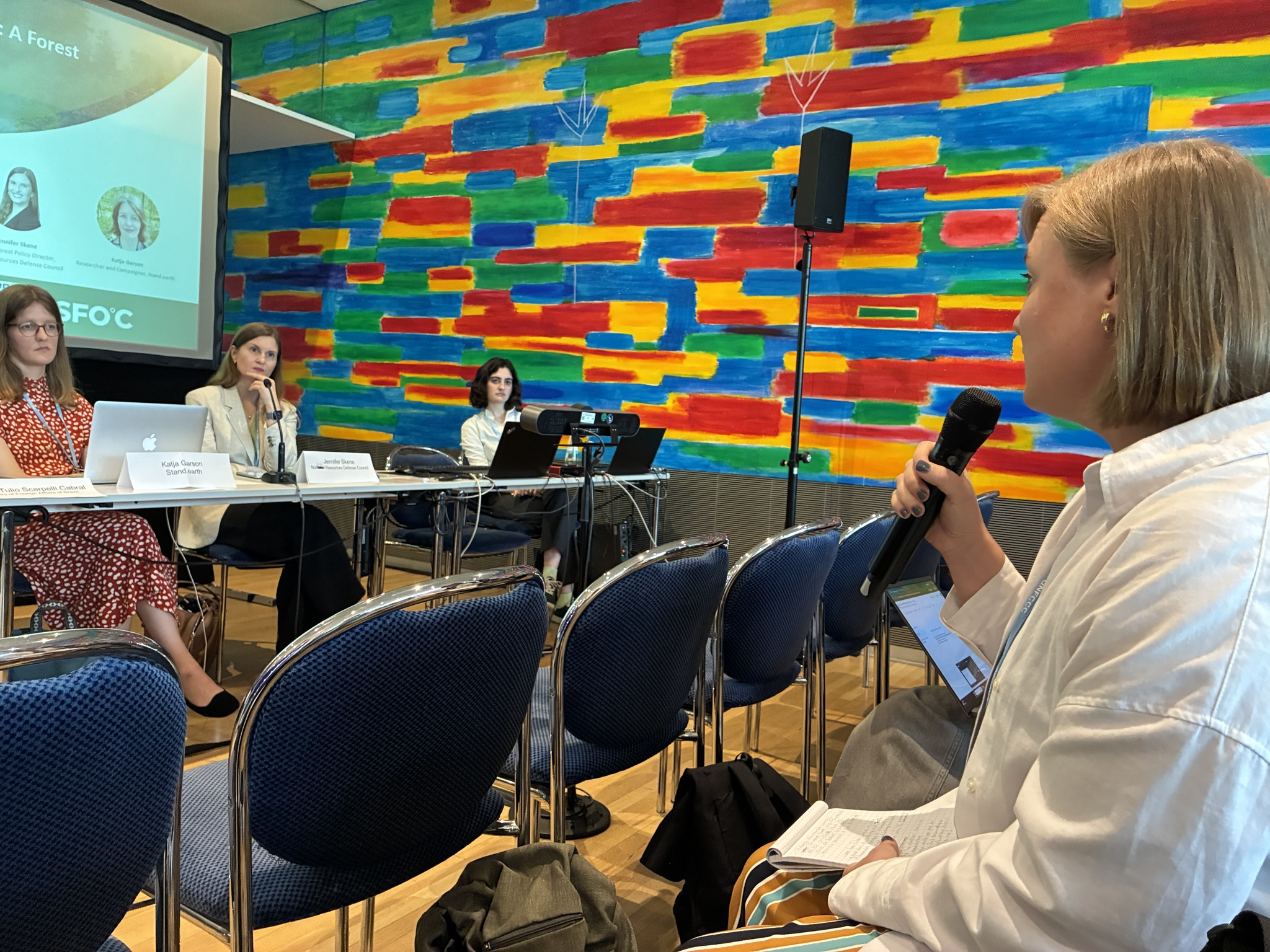
On Wednesday the 10th, members of BAN spoke at the side event ‘Closing the Accountability Gap: A Forest Roadmap Priority’. The speakers included Kate Dooley (University of Melbourne), Jennifer Skene (Natural Resources Defense Council), Virginia Young (Griffith University) and Katja Garson (Stand.earth). They drew attention to a significant gap in forest accountability due to the absence of recognising and properly defining forest degradation alongside deforestation. The speakers described how a great deal of logging, especially in the global north (and often caused by extraction for biomass) leads to the loss of carbon stocks and biodiversity. However, this logging doesn’t register as deforestation, even when clear-cutting is used, because deforestation is defined as a permanent change in land use. They highlighted that higher forest ecosystem biodiversity leads to higher carbon stocks and better resilience. Consequently, the fact that forest degradation goes unrecognized is extremely harmful for both climate efforts and for halting biodiversity loss.

Katja Garson (stand.Earth) represented BAN at the event and described the gap in carbon accounting, which has led to huge subsidisation of biomass energy and the expansion of the industry even though it does not reduce carbon emissions. She also highlighted that wood burned for energy is often roundwood, not residues, as the industry falsely asserts and that wood has even been sourced from primary and old growth forests. Jennifer Skene pointed out that so-called “Sustainable forest management” does not fix this problem, as the current forestry model in the Global North typically relies on clear-cutting practices. The speakers ended by concluding that it is critically important that forest degradation is included and defined in the forest roadmap to incentivise countries to address this problem and called on the people working on the forest roadmap to ensure this happens. Marco Tulio Scarpelli Cabral (Head of Division of Environment II, Ministry of Foreign Affairs of Brazil) attended the Side Event and heard the call.
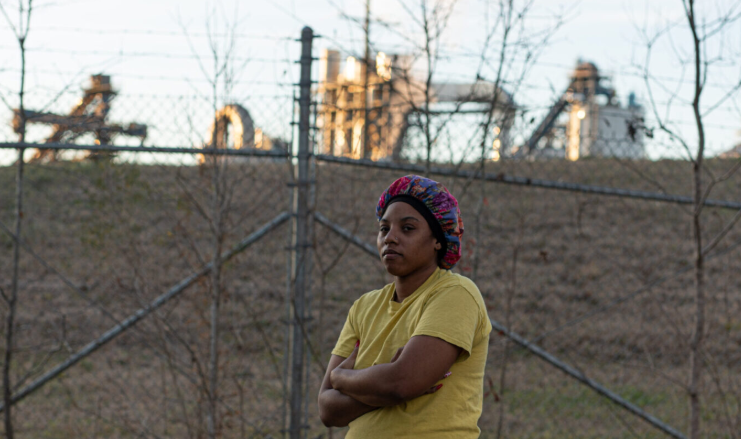
BAN member and community advocate Kathy Egland, is in Bonn to raise the alarm about the biomass industry’s impacts on her community in the Southeast USA, where Drax (the second biggest pellet producer in the world) operates polluting wood pellet manufacturing facilities that are directly impacting the health of residents in Gloster Mississippi. Kathy is attending numerous speaking events throughout the week, including the one below.

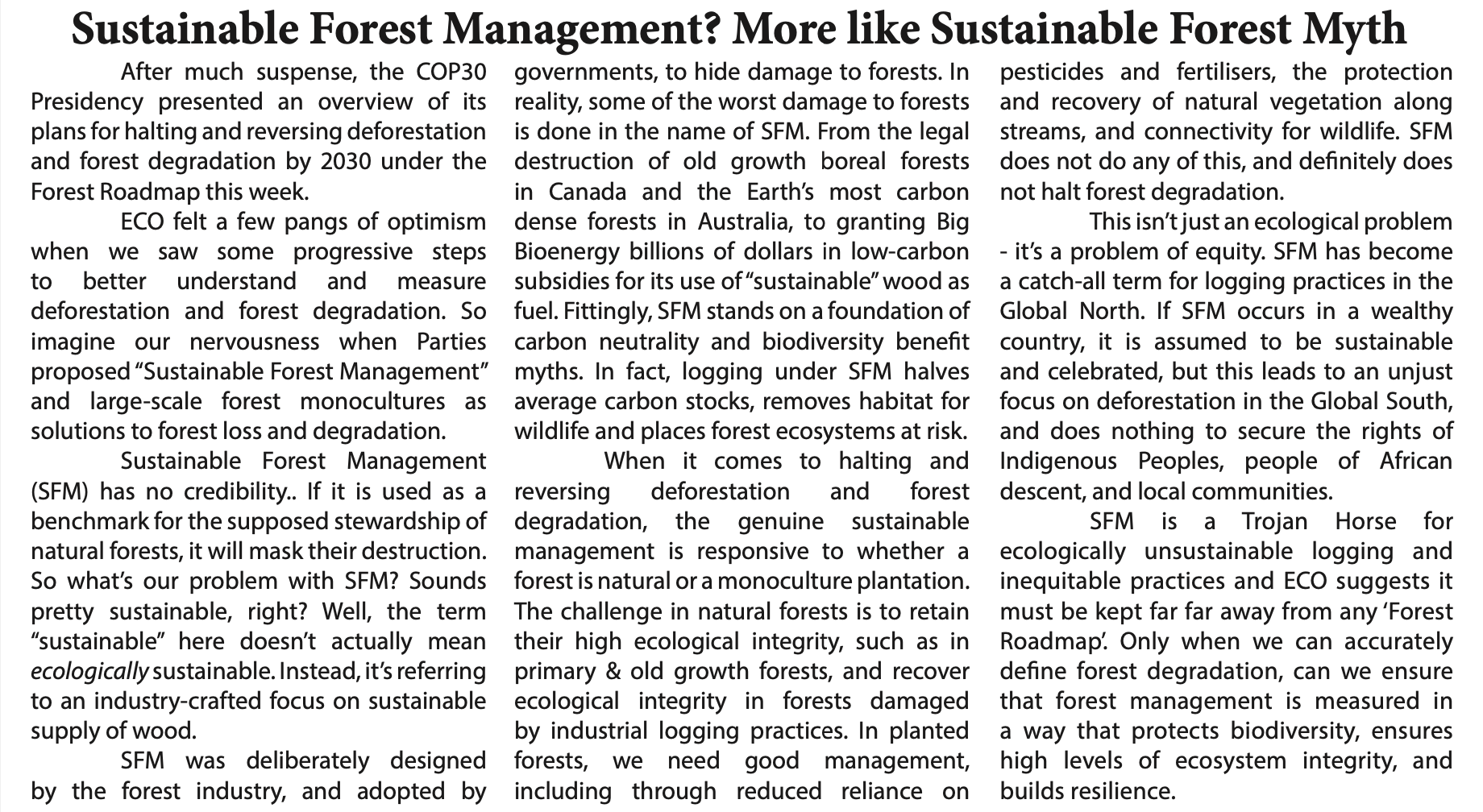
On Monday 15th members of BAN secured an article in the ECO, refuting the common misapprehension that woody biomass harvested using so-called “sustainable forest management” is forest friendly.