Skip to Content

EPN Reports & Publications

Welcome to the Environmental Paper Network’s Reports & Publications page.

Find all reports, briefings, factsheets, and other publications authored, or co-authored, by the Environmental Paper Network or the Biomass Action Network. For additional resources on biomass, including from partner organisations, please see our Biomass Info Library.

If you have any suggestions for resources we should have in this library or any comments about it, please contact us.

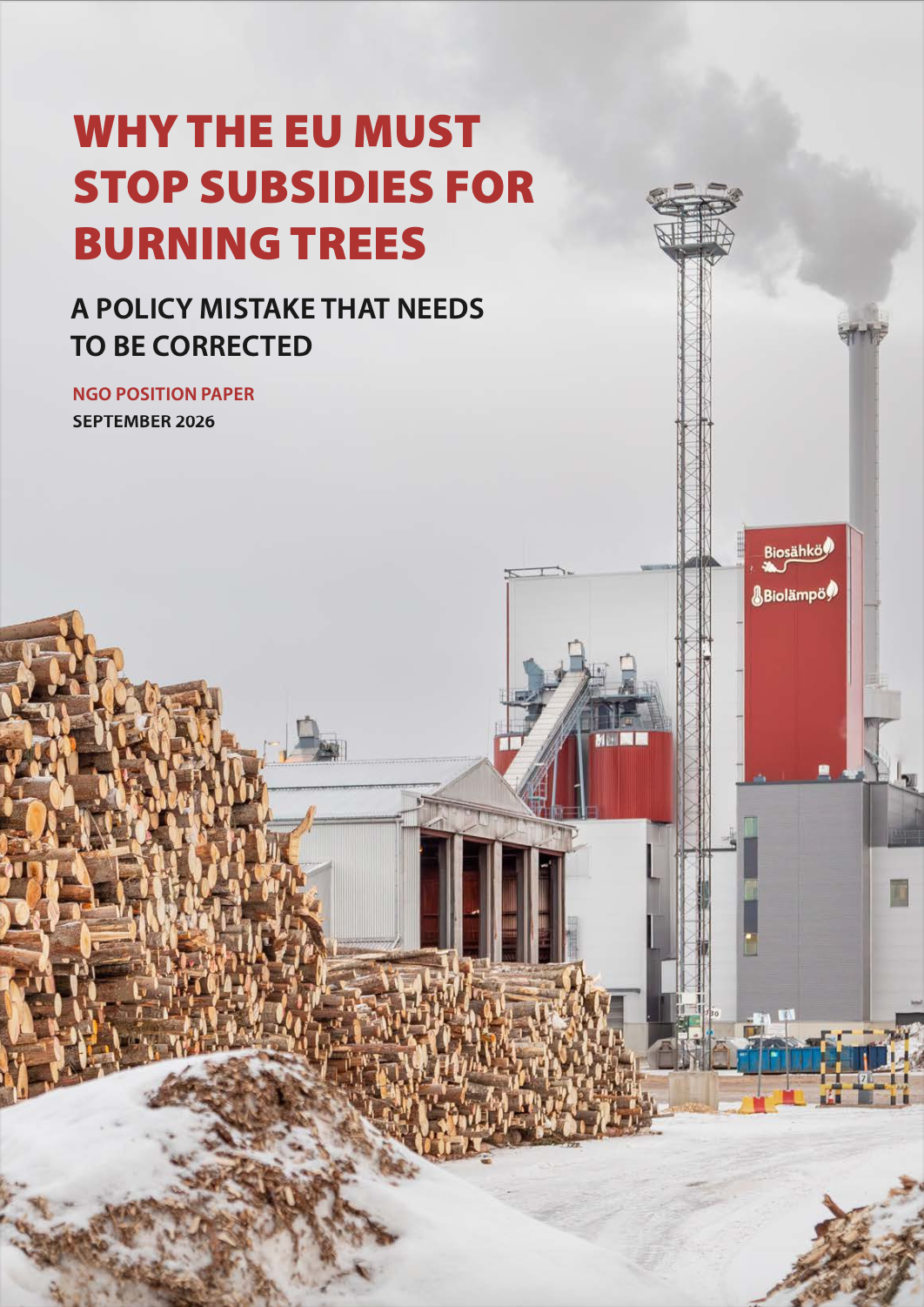
Why the EU must stop subsidies for burning trees: A policy mistake that needs to be corrected

More than 40 NGOs have come together to call on the EU to stop incentivising biomass in the Renewable Energy Directive (RED) and the EU Emissions Trading System (EU ETS). They have produced a shared position paper calling on the EU to stop incentivising biomass in EU renewable energy and climate legislation because it makes the climate crisis worse; damages the economy and undermines energy security; increases biodiversity loss and the destruction of forests; and worsens air pollution.
Date: September 2026

Topics: Bioenergy, Biomass, Biomass Energy, Carbon Accounting, Carbon Emissions, Climate, Climate Change, Climate Justice, Energy, EU, Finance, Legislation, Reduce Greenhouse Gases, Subsidies
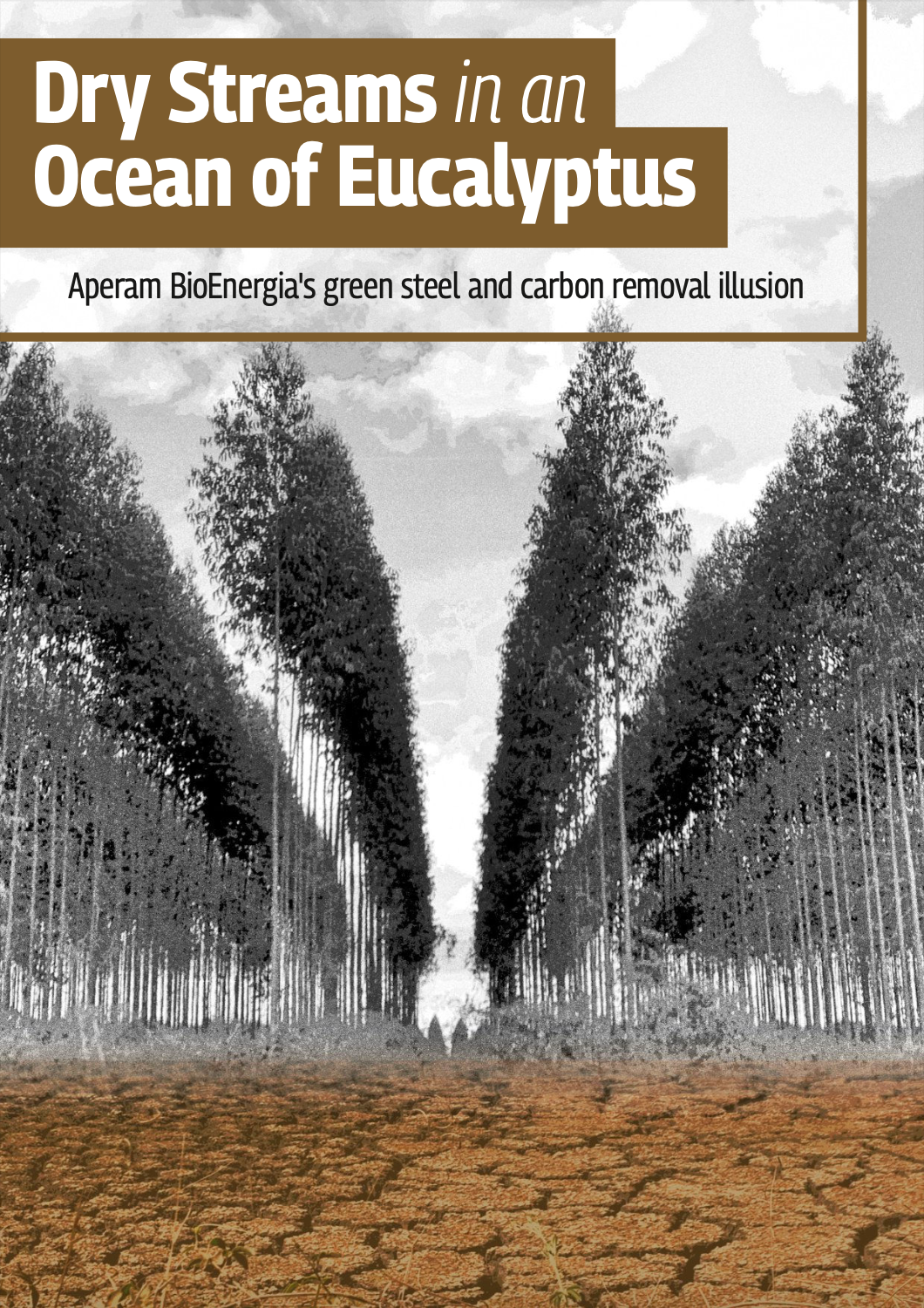
Dry Streams in an Ocean of Eucalyptus

Aperam BioEnergia’s green steel and carbon removal illusion

An investigation that exposes the devastating social and environmental costs of Aperam BioEnergia’s monoculture eucalyptus plantations in Minas Gerais, Brazil, which it uses to produce charcoal, biochar and “green steel”. The co-authors of the investigation have issued an urgent call for all investment in the company to be halted.

The report is based on extensive field research and interviews with traditional and Quilombola communities and public officials, reveals that Aperam’s business model—promoted as a climate and sustainability solution—has been imposed through large-scale deforestation, leading to the loss of biodiversity and the depletion of water resources in the Jequitinhonha Valley. The report documents a drastic drop in water tables, drying of springs and rivers and the collapse of traditional agricultural and pastoral livelihoods.

Date: September 2026

Topics: Bioenergy, Biomass, Biomass Energy, Brazil, Carbon Accounting, Climate Colonialism, Climate Justice, Communities, Community Displacement, Conflict Plantations, Greenwashing, Human Rights, Indigenous Communities, Indigenous Rights, Plantations

How to stop a bad pulp mill

A guide for campaigners worldwide on how to stop a planned pulp mill where you live. This report includes 4 case studies, lessons learned, and some tips and tools that activists can use. Do you want to access it? Reach out to us to ask for access.

Date: July 2019

Topics: Communities, Plantations, Pulp and Paper, Pulp Industry, Pulp Mill

Janji-janji Tanpa Realisasi

Kegagalan Industri Kertas Mereformasi Praktek Pengelolaan Gambut di Indonesia

Date: April 2017

Topics: Carbon Emissions, EPN, Global Paper Industry, Indigenous Communities, Indonesia, Land Use, Paper, Peatlands, Pulp and Paper

Modernizing ERISA Health Plan Disclosure Rules for the Digital Age

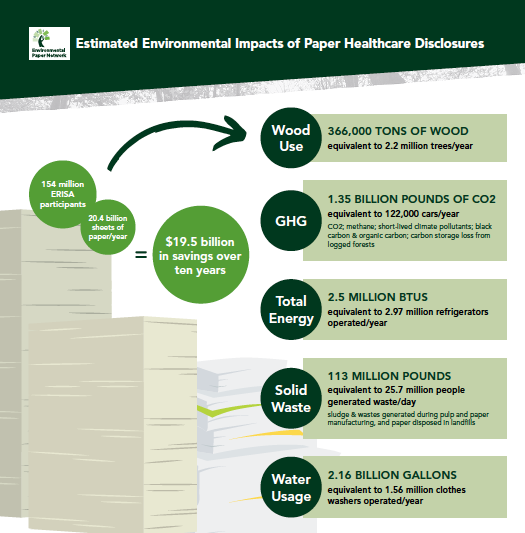
A new EPN analysis finds that modernizing outdated ERISA health plan disclosure rules by allowing electronic delivery by default, while preserving consumers’ right to receive paper communications, could save the equivalent of 366,000 tons of wood (more than 2 million trees) every year, reduce more than 1 billion pounds of greenhouse gas emissions, conserve over 2 billion gallons of water, and save employers and health plans $19.5 billion over the next decade.

Date: July 2026

Topics: Consumption, Paper, Paper Reduction, Sustainability, Sustainable Solutions, Waste Reduction

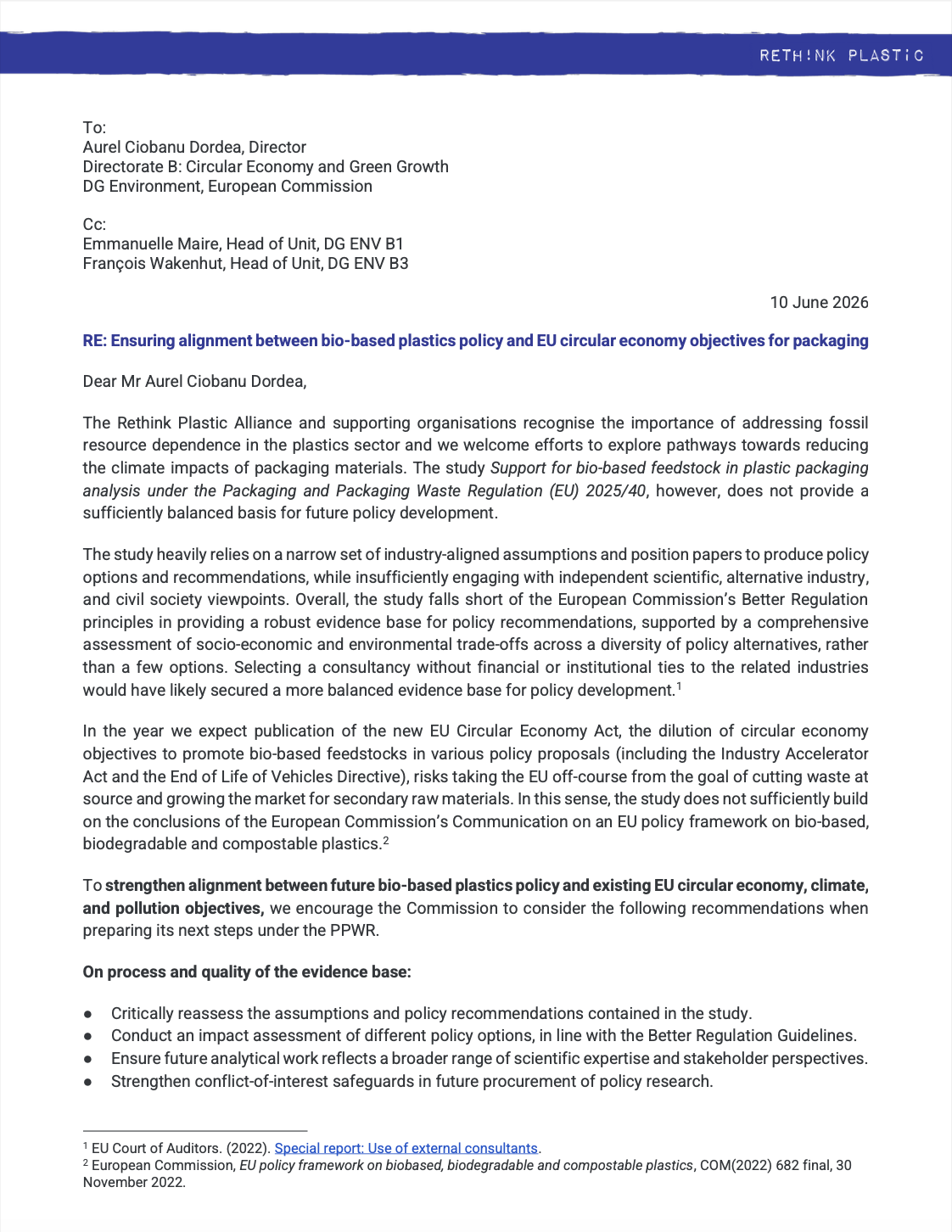
Ensuring alignment between bio-based plastics policy and EU circular economy objectives for packaging

Letter to DG Environment:
To strengthen alignment between future bio-based plastics policy and existing EU circular economy, climate, and pollution objectives, we encourage the Commission to consider our recommendations when preparing its next steps under the Packaging and Packaging Waste Regulation.

Date: June 2026

Topics: Packaging, Plastic, Plastics, Pulp and Paper

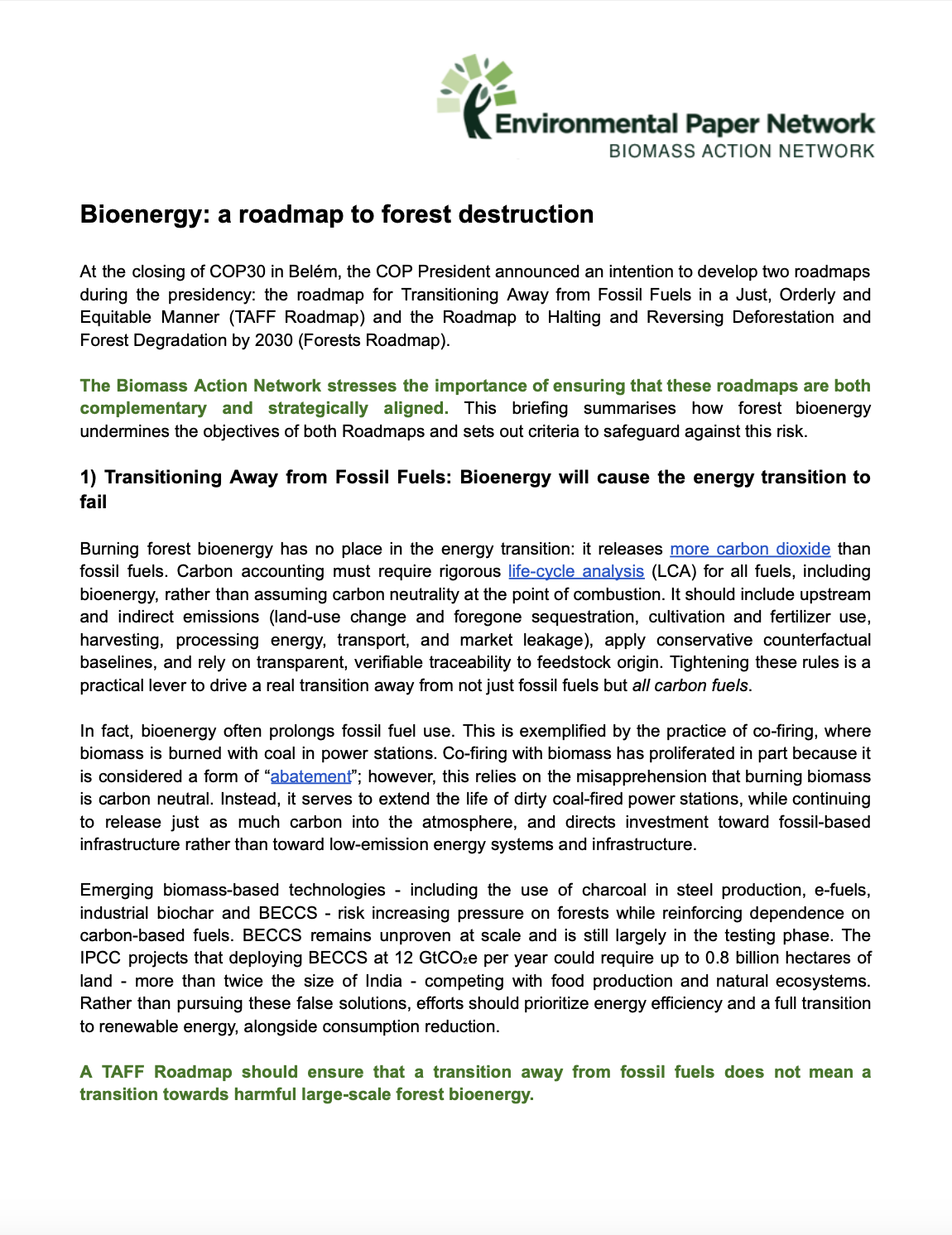
Bioenergy: A Roadmap to Forest Destruction

As world leaders wrapped up COP30 in Belém last year, a new climate roadmap was unveiled: one to transition away from fossil fuels, and another to halt and reverse deforestation and forest degradation by 2030. These goals are meant to work hand in hand. But there’s a growing problem: the rise of forest bioenergy threatens to undermine both efforts, putting forests and the climate at risk. Members of the Biomass Action Network are currently in Bonn for the UN’s mid-year climate meetings, to raise the alarm that bioenergy is nothing but a roadmap to destruction.

Date: June 2026

Topics: Biomass, Biomass Energy, Carbon Accounting, Carbon Emissions, Climate Change, Communities, Community Displacement, Deforestation, Indigenous Rights, Policy Assessment

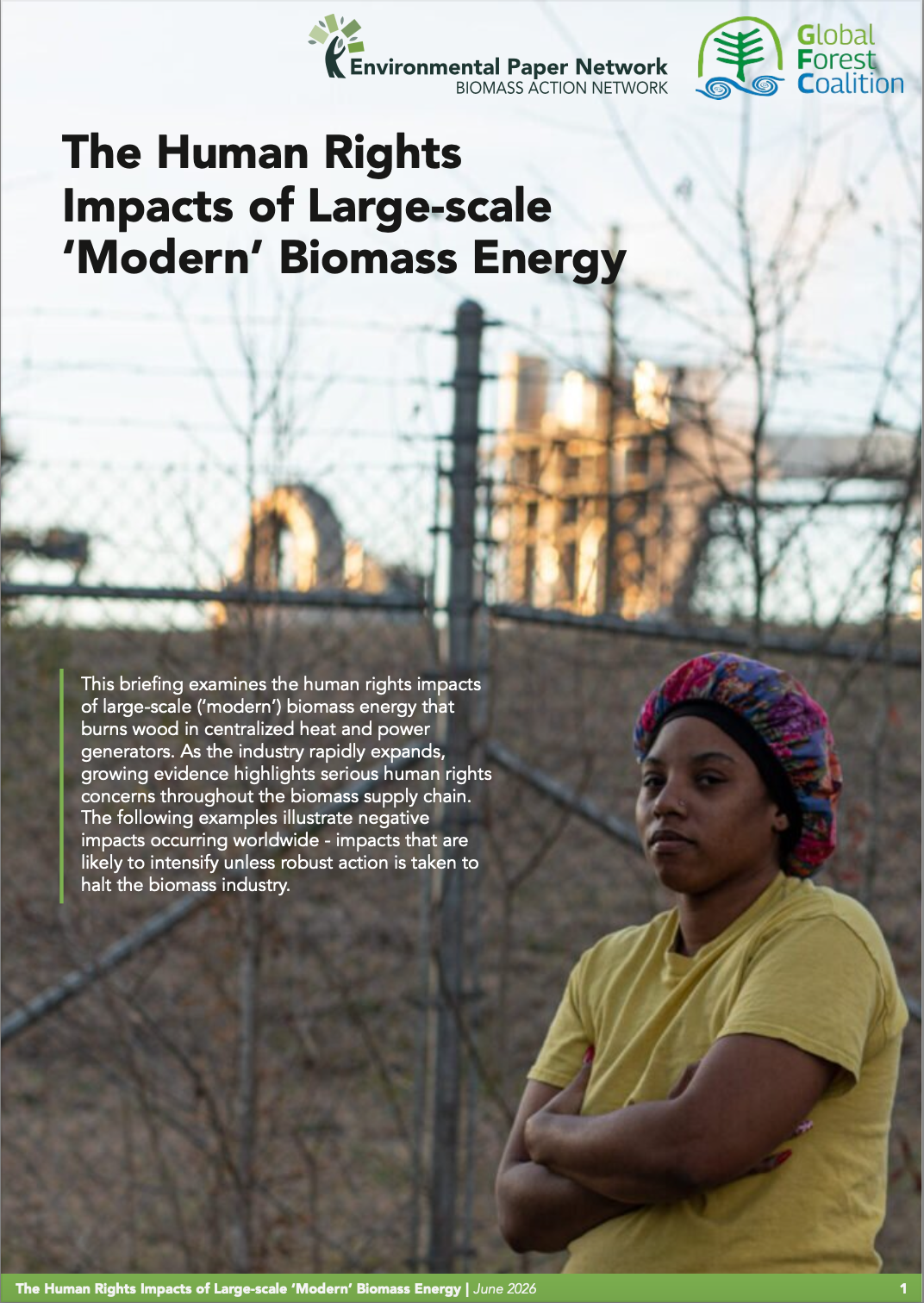
The Human Rights Impacts of Large-scale ‘Modern’ Biomass Energy

This briefing examines the human rights impacts of large-scale (‘modern’) biomass energy that burns wood in centralized heat and power generators. As the industry rapidly expands, growing evidence highlights serious human rights concerns throughout the biomass supply chain. The following examples illustrate negative impacts occurring worldwide – impacts that are likely to intensify unless robust action is taken to halt the biomass industry.

This briefing includes case studies from Chile, Brazil, the USA, Sweden, Ghana, Mozambique, Uganda, Indonesia, Nepal and Thailand.

Date: June 2026

Topics: Biomass, Biomass Energy, Brazil, Carbon Emissions, Chile, Climate, Energy, Human Cost, Human Rights, Indigenous Communities, Indigenous Rights, Indonesia, US

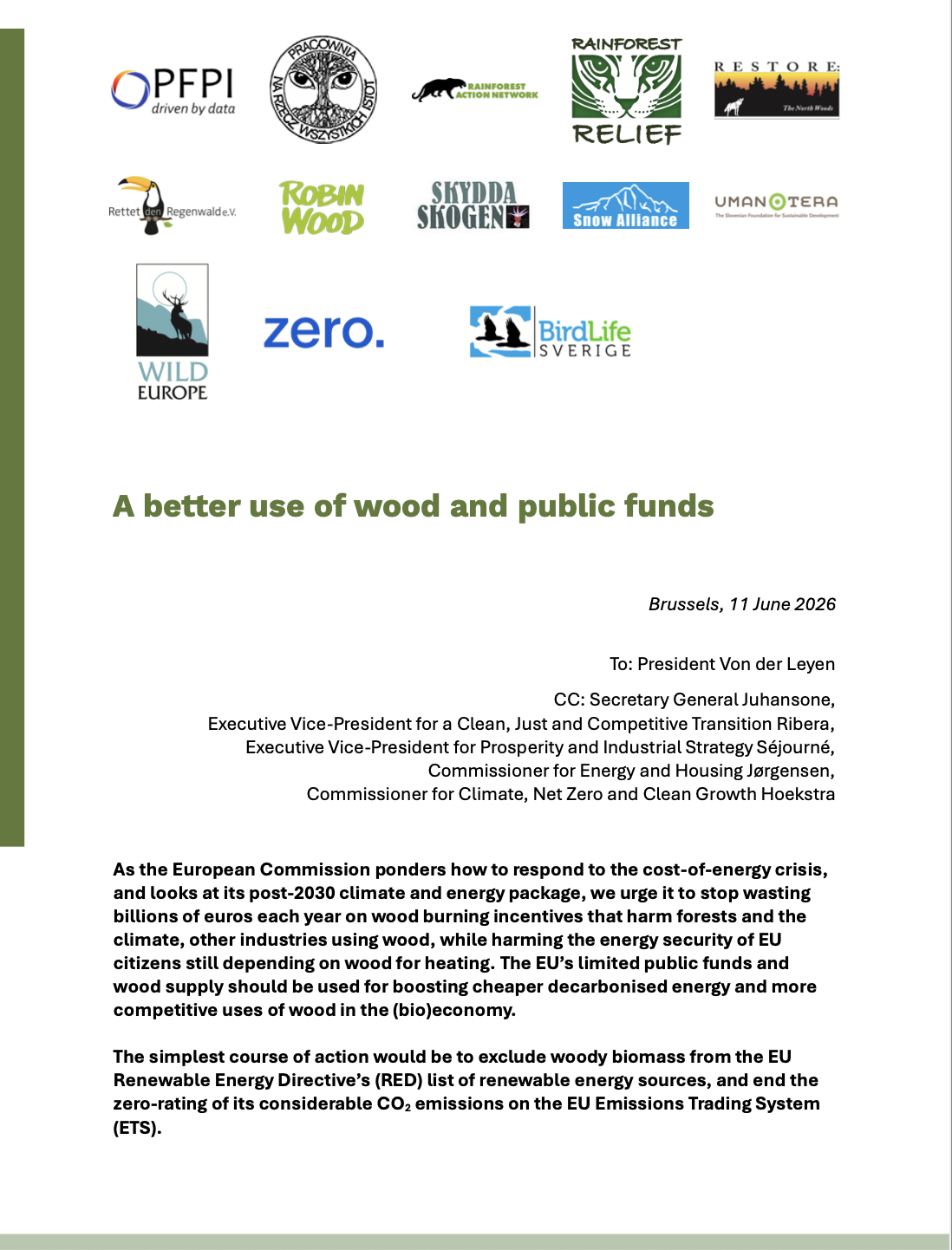
Open Letter to the European Commission: A better use of wood and public funds

The global Biomass Action Network (BAN) of EPN joined other NGOs in sending an open letter to the European Commission with an important message: wood burning incentives in EU legislation need to be removed as soon as possible. Woody biomass must be excluded from the EU Renewable Energy Directive’s (RED) list of renewable energy sources, and the zero-rating of its considerable CO2 emissions on the EU Emissions Trading System (ETS) must end.

Date: June 2026

Topics: Bioenergy, Biomass, Biomass Energy, Carbon Neutral, EU, Legislation, Policy Assessment