
Skip to Content

bioeconomy

Reaction to FAO Roadmap: Large-scale “modern” biomass energy

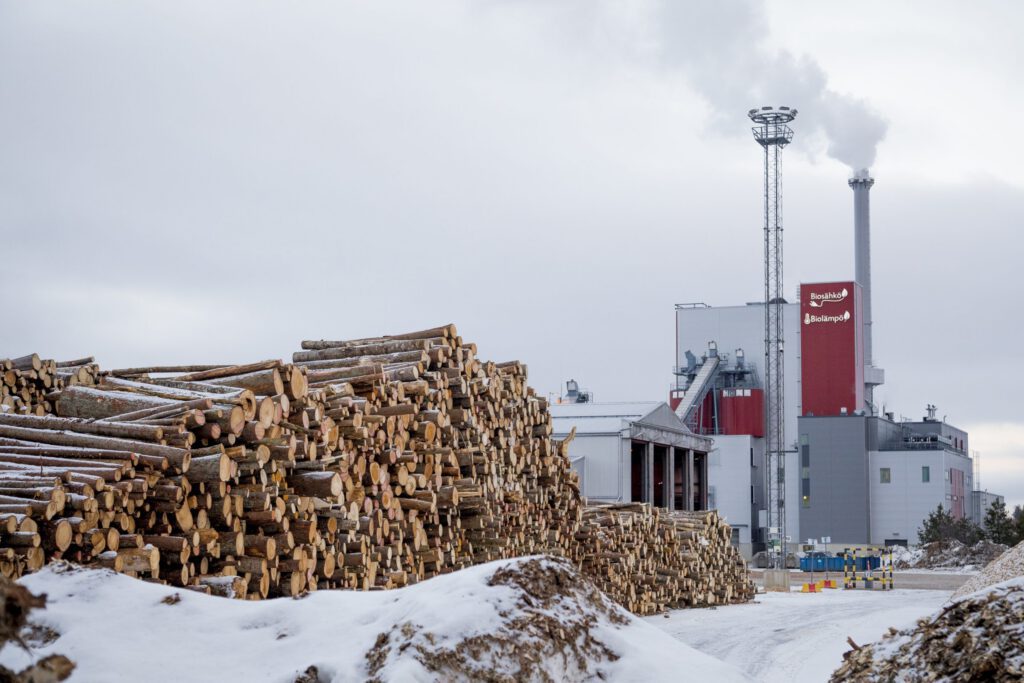
  “The huge expansion in so-called ‘modern’ biomass, doubling the current levels by 2030 and trebling them by 2050, is dangerous and unacceptable. It would exacerbate the climate crisis whilst also harming communities and biodiversity, and we already have numerous examples of its adverse impacts.” “Planning to ally energy production from biomass burning with carbon […]

Read More
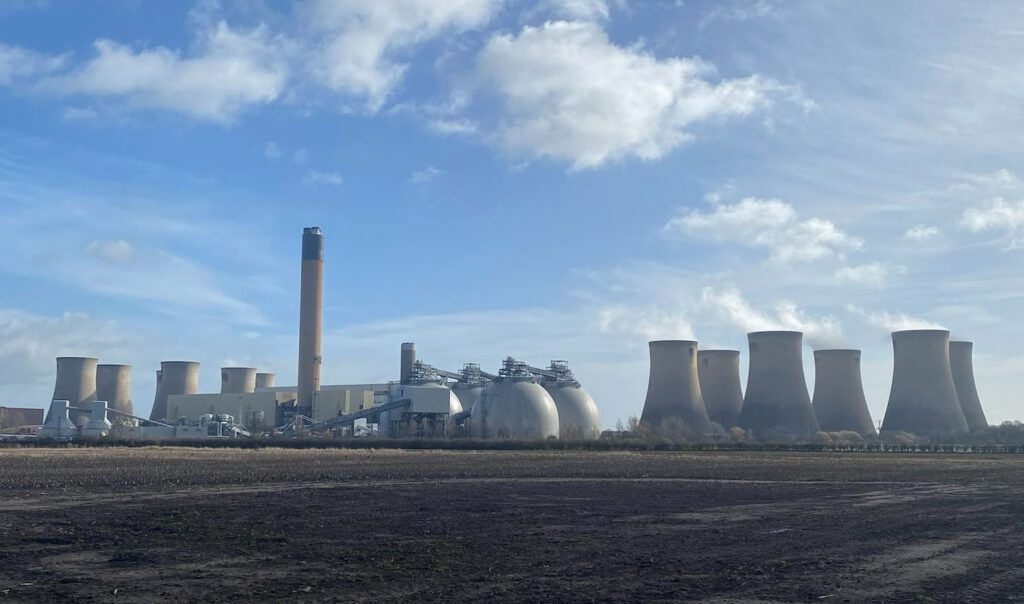
We need a global renewable energy target without big biomass energy expansion

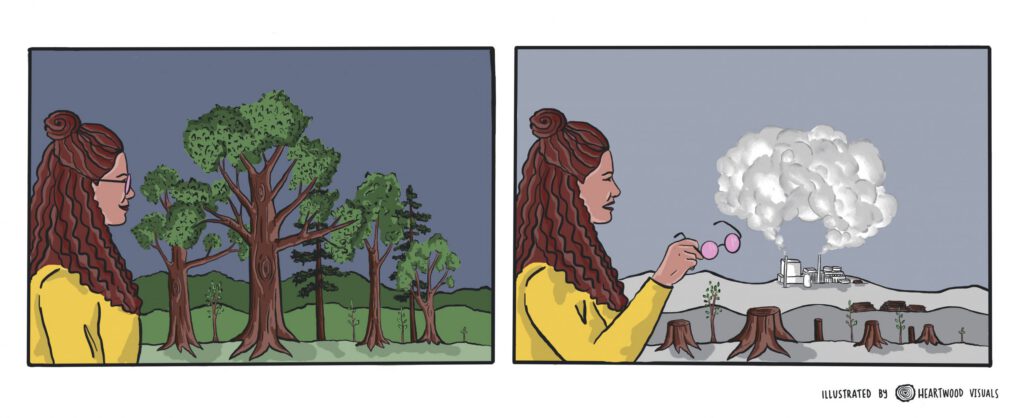
[et_pb_section admin_label=”section”] [et_pb_row admin_label=”row”] [et_pb_column type=”4_4″][et_pb_text admin_label=”Text”]  – For immediate release – Contact: Ms Peg Putt +61 418127580, email – peg.putt@gmail.com   We need a Global Renewable Energy Target without Big Biomass Energy Expansion   Dubai, 1 December 2023. As climate COP28 convenes in Dubai, the Biomass Action Network of EPN* warns that burning forest […]

Read More

Briefing – Biomass Carbon Accounting is no longer Fit for Purpose

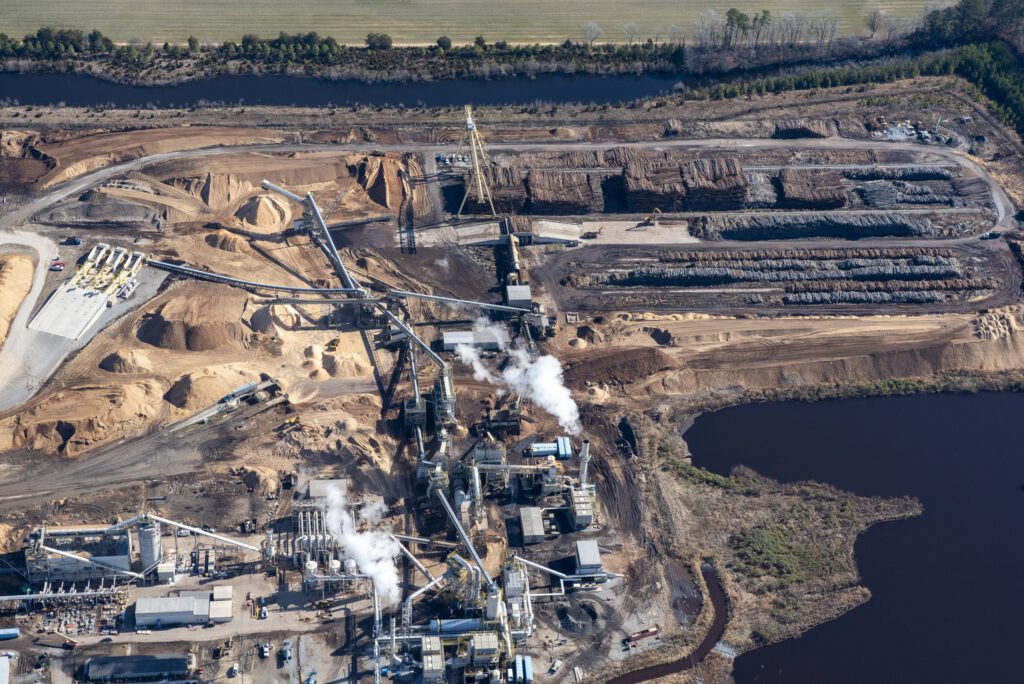
A peculiarity of UNFCCC and IPCC carbon accounting and reporting methodology is leading to unfair attribution of emissions sources in what is emerging as an unintentional but concerning example of climate colonialism. This is uniquely in relation to large scale biomass energy generation. It has got to the point where this must be fixed. Download […]

Read More

Co-firing with biomass in Indonesia: Debunking Emission Reduction Claims

Download the Briefing here: Co-firing with biomass in Indonesia_English Version Co-firing coal with biomass in power stations is claimed by Indonesia’s state electricity company (PT PLN) to be a necessary part of the country’s transition to renewable energy. Currently, 52 coal power stations plan to co-fire with 5-10% biomass in order to meet the countries […]

Read More

Synthèse – La comptabilité carbone de la biomasse n’est plus adaptée aux objectifs visés

Une caractéristique de la méthodologie de comptabilisation et de déclaration des émissions de carbone adoptée par la CCNUCC et le GIEC conduit à une attribution injuste des sources d’émissions, illustrant ainsi une tendance involontaire, mais préoccupante, de colonialisme climatique. Cela est particulièrement vrai pour la production d’énergie à partir de la biomasse à grande échelle. […]

Read More