
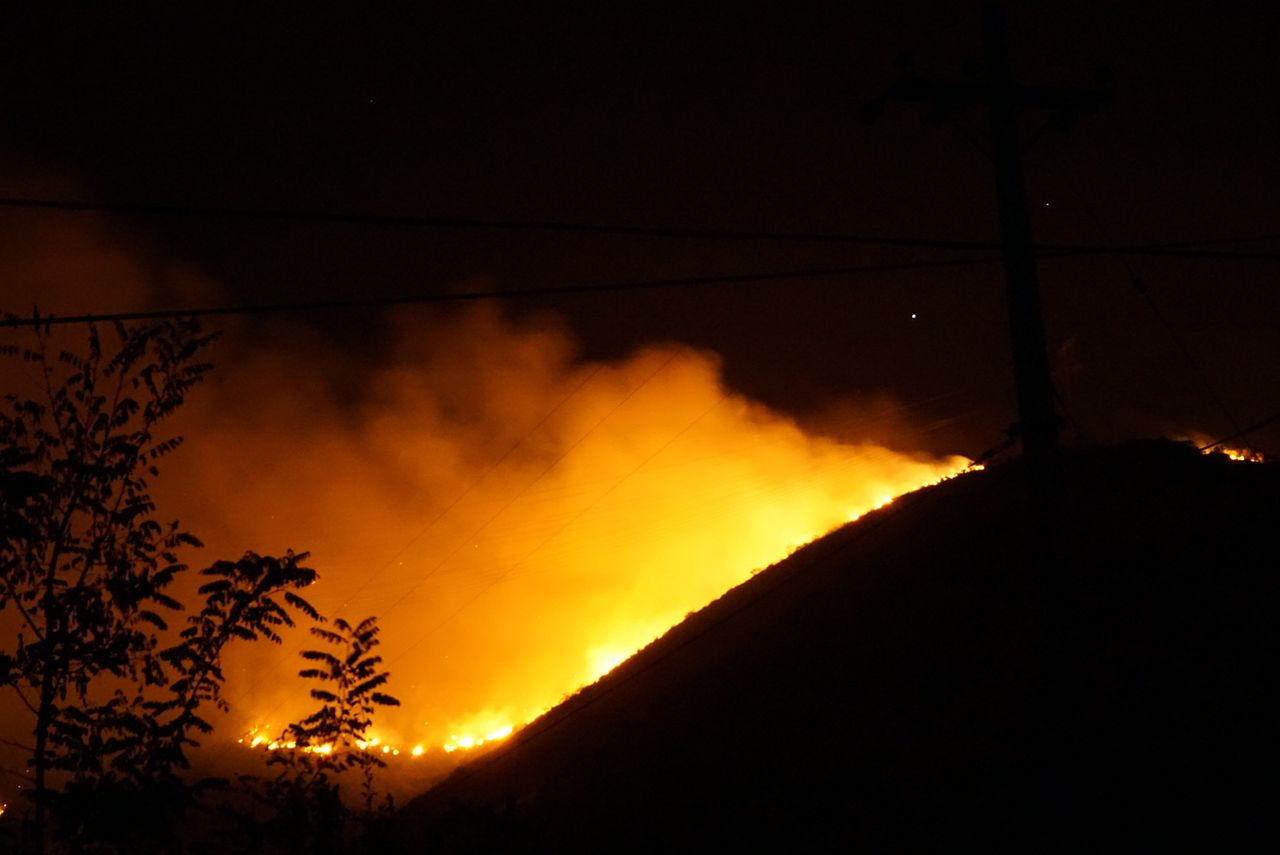
More than 50,000 people have been evacuated in Chile’s Ñuble and Biobío regions, where wildfires have destroyed at least 250 homes and claimed a minimum of 18 lives. Authorities warn that the death toll is likely to rise as fires continue to spread.
This disaster is neither sudden nor unexpected.
Just two years ago, in 2024, Chile experienced its worst forest fires in a decade. Forty-six people died and more than 1,100 homes were destroyed, despite repeated warnings from civil society and environmental organisations that the country’s forestry model was a recipe for catastrophe.The year before that, in 2023, five days of uncontrollable fires burned over 200,000 hectares of land and destroyed more than a thousand homes. Once again, civil society had warned of the growing risks and demanded a structural change to the forestry sector.
For years, environmental organisations have called for the dismantling of Chile’s current forestry model, which is based on large-scale monocultures producing low-value paper products, increasingly destined for burning biomass or for single-use, disposable packaging. This industry has expanded over indigenous lands, fuelling a long-standing and unresolved conflict with local communities. It has also intensified fire risks, repeatedly devastating rural populations, as documented in the EPN report Stolen Land and Fading Forests in Chile.
These concerns are not limited to environmental activists. Scientists have established a direct link between large-scale monoculture exotic tree species plantations and the spread of forest fires. According to research published in PLOS One, “extensive forest plantations favour the spread of fire, as they are composed of a dense and flammable fuel type (fast-growing pine and eucalyptus) that is continuously distributed across the landscape and is often poorly managed.”
The crisis is not confined to Chile. Weeks earlier, fires were already raging across the border in Argentina. Indigenous Mapuche communities were immediately accused of starting the fires—an allegation swiftly dismissed by judicial investigators.
According to civil society organisations, the accusations served as a convenient scapegoat for government failures. A report signed by several NGOs, including Greenpeace, pointed to systematic underfunding, radical budget cuts, poor execution of public resources, and the absence of a coherent fire-prevention policy.
“The focus on Mapuche communities diverts attention from the state’s responsibility to prevent and manage fires,” the report states. “It reinforces historical discrimination while failing to protect either people or ecosystems.”
Neither the recurring fires nor the social unrest caused by large-scale plantations have been addressed over the past decades, and such issues do not appear to be on the political agenda. Civil society will therefore need to remain active in protecting communities and landscapes from the destructive biomass and wood products industry.