
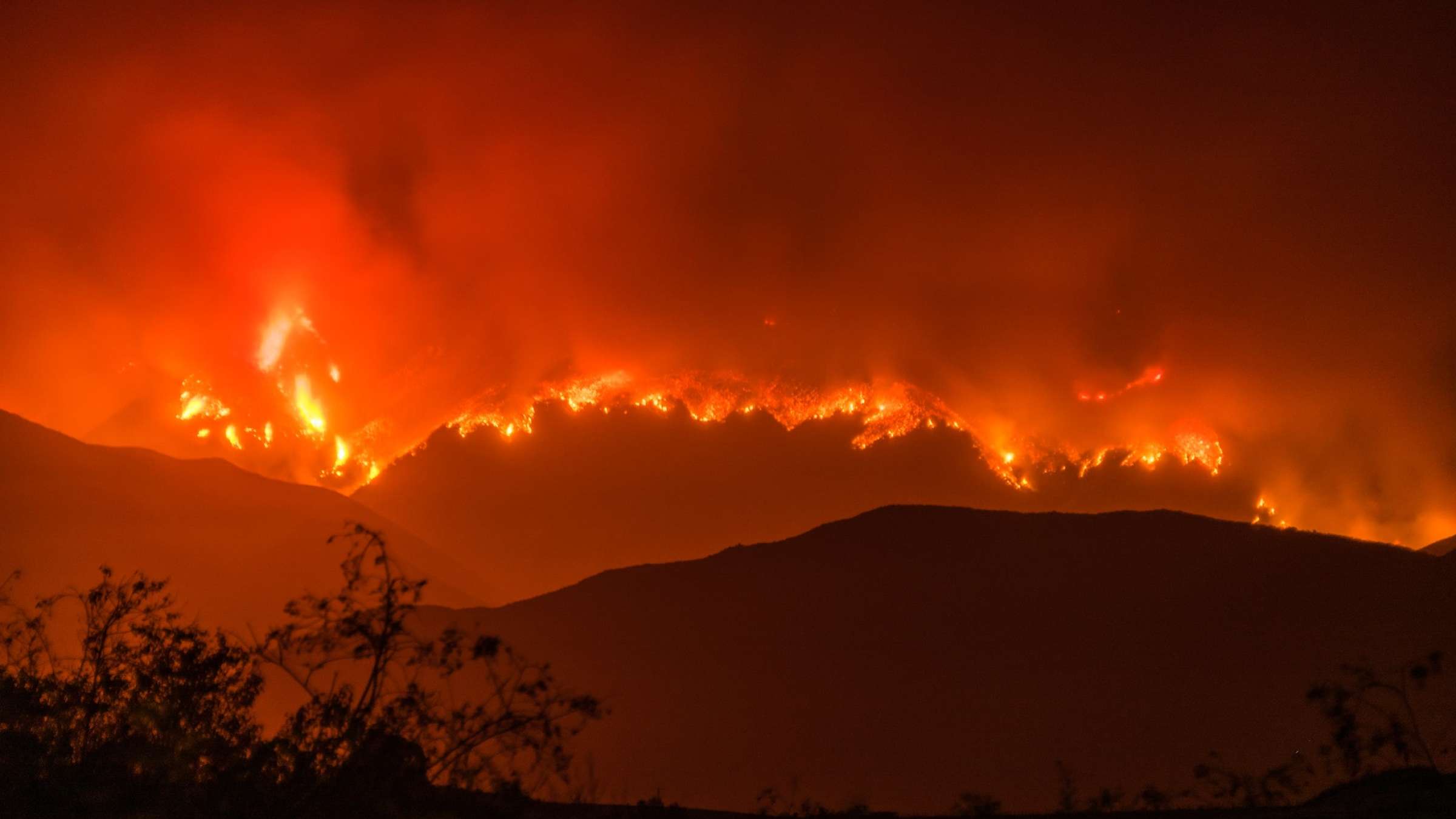
Glenn Beltz/flicker (CC BY 2.0)
At least 46 people have died, and more than 1,100 homes have been destroyed in the worst forest fires to hit Chile in a decade.
In the first week of February, the fires have been commonly attributed to climate change. This is correct, but only part of the truth. What we actually see at play is a devastating dissemination policy of expansion of pulpwood plantations. These pulp-wood plantations are mostly composed of fire-prone exotic trees, such as eucalyptus, creating waste extensions of homogenous and dry concentrations of wood, the perfect nightmare for uncontrolled fires. Add climate change (with longer dry seasons) to the mix, and you have a deadly combination.
This is nothing new. Two years ago, an EPN report, Conflict Plantations, highlighted the fire risk posed by these plantations, quoting the scientists of the Centre for Climate and Resilience Research (CR2): “the conversion of land to rapid growth plantations increases the risk of fires”, adding that “Extensive forest plantations favor the spread of fire, since they are composed of a type of dense and flammable fuel (mostly rapid growth pines and eucalyptus) that is continuously distributed throughout the landscape and that, in addition, is usually not correctly managed”.
The report also quoted other scientists sending a clear warning to the Chilean decision-makers: “future climate change predictions indicate more recurrent, intense, and temporally extended droughts for central and south-central Chile. Under this scenario, land-use planning and fire and forest management strategies must promote a more diverse and less flammable landscape mosaic [read: no monoculture plantations] limiting high load, homogenous, and continuous exotic plantations.”
Last year, after yet another wave of forest fires, affecting over 200,000 hectares of land, devastating more than a thousand homes and leading to the loss of 26 lives, EPN, Collectivo VientoSur, and Biofuelwatch demanded the government put an end to fire-inducing plantation expansion. Safety and human lives, they stressed, should come first over the interests of forestry companies and their investors and financiers. They also demanded to make the forestry industry pay for the damage caused, for the recovery of communities and the restoration of ecosystems.
Nothing of this has been done. On the contrary, companies expanding deadly pulpwood plantations still enjoy generous tax breaks and incentives from the government.
“What are we waiting for?” asked Ana Albornoz, mayor of Santa Juana, a town of 10,000 inhabitants at the epicentre of the flames, where five people have been killed by the fire. “We know what we have to do. We have to ask for a royalty for forestry companies; it must have funds with short, medium and long-term measures,” she said.
In Chile, there are more than 3 million hectares of pine and eucalyptus, highly flammable non-native species, exploited to produce pulp and timber. The south-central zone has more exotic tree plantations than natural forests. Almost all of them belong to two conglomerates: Compañía Manufacturera de Papeles y Cartones (CMPC), owned by the Mate Larraín family, and Forestal Arauco, owned by the Angelini group, two of the largest fortunes in Chile, valued at around US$4 billion. Financial institutions from the Global North, like Blackrock, Vanguard, and BNP Paribas, are profiting from the destructive practices of these two conglomerates
This business has been fueled by a growing demand for single-use paper packaging, presented as sustainable. What we have seen in Chile in recent years does not suggest sustainability. The paper packaging produced by burning down entire regions in Chile is far from being green.
Last week, eighteen environmental and social organizations in Chile signed a letter demanding to finally suppress “Decree 701”, promulgated by the military dictatorship and ensuring lavish incentives to tree-monoculture development and establish a moratorium on new plantation expansion, like issued in Portugal after the forest fires in 2017.
The Chilean coalition also demands incentives for ecological forest restoration and rehabilitation of native ecosystems, protection for groundwater, submission of forestry activities to environmental impact studies, and a participative process of environmental regeneration policies and territorial planning.
It is time to listen to these demands. “What are we waiting for?” we ask, paraphrasing the mayor of Santa Juana. It is time to shift from fire-prone plantations enriching just a few oligarchs to an integrated ecological restoration, offering livelihoods to local traditional communities and enhancing their customary relationship with nature.
Back to News