How renewable is fibre sourcing for paper packaging in Europe?
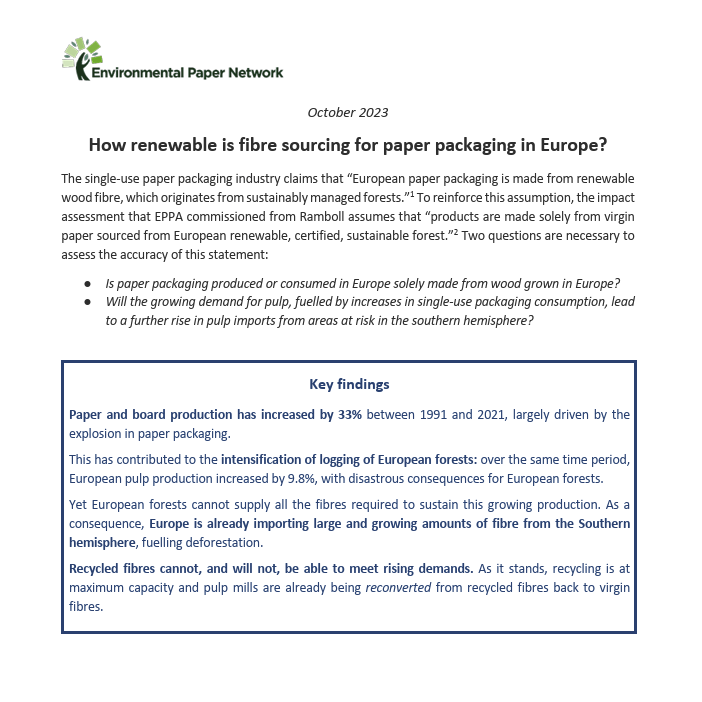
Rising demand for paper packaging is driving deforestation, pulp imports, and a shift from recycled to virgin fibers, worsening environmental impacts.
This report highlights that disposable paper-based food packaging is not a sustainable alternative to plastic. It exposes the environmental harms of paper packaging, including deforestation, high water and energy consumption, chemical contamination, and poor recyclability, urging policymakers to prioritize waste reduction over material substitution.
Outdated federal policies mandate the printing and mailing of paper notices, needlessly wasting billions of sheets of paper each year. With one simple rule change, the U.S. Department of Labor could eliminate the printing and mailing of an estimated 11.4 billion sheets of paper each year.
This report by EPN and Fern highlights businesses adopting reusable packaging, the challenges they face, and the need for stronger legislation to support reuse over single-use systems.
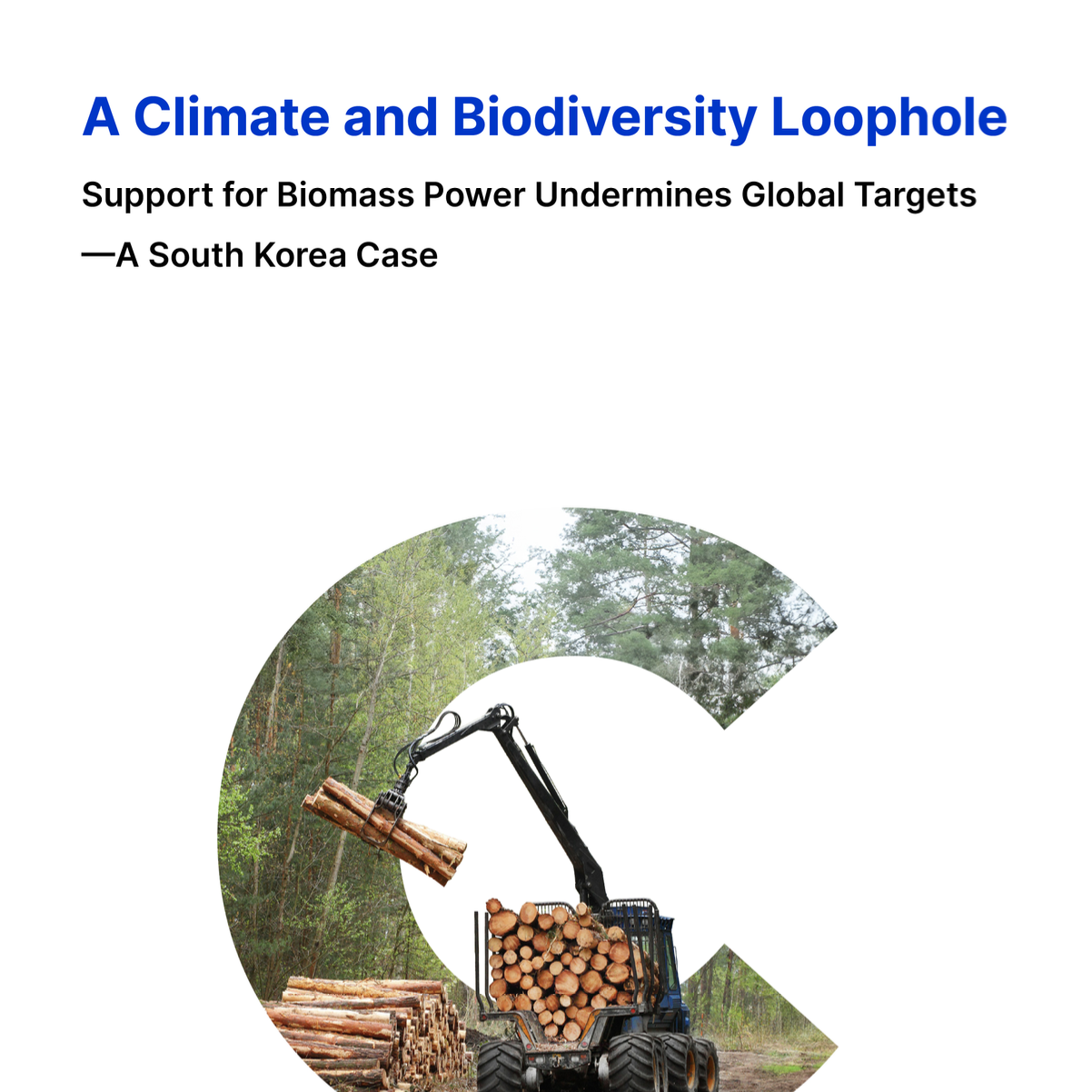
A peculiarity of UNFCCC and IPCC carbon accounting and reporting methodology is leading to unfair attribution of emissions from large-scale bioenergy, contributing to climate colonialism.
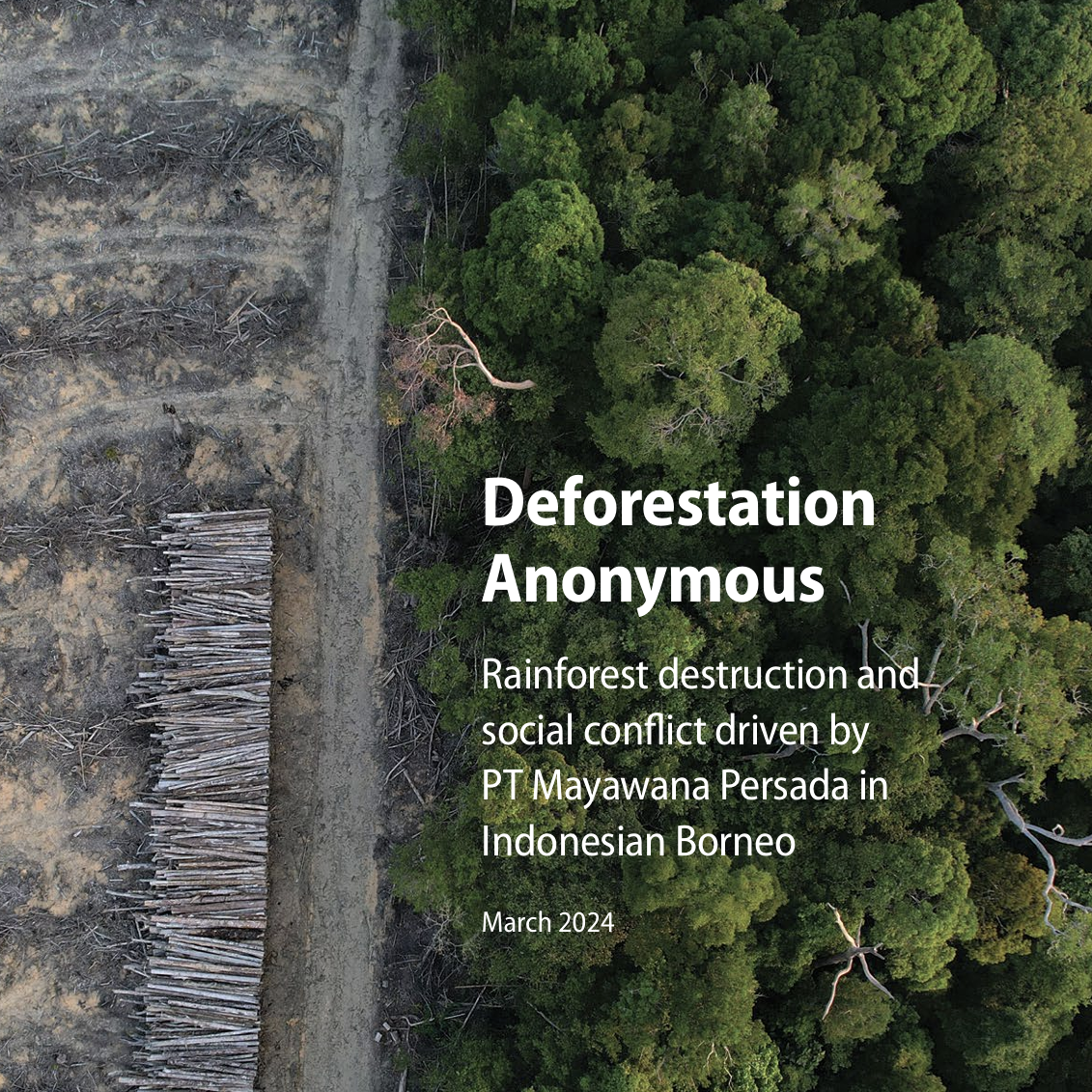
Despite its well-publicized commitment to ‘No Deforestation’, Indonesia’s Royal Golden Eagle (RGE) Group still has deforestation in its pulp supply chain. RGE is also now linked to a new mega-scale pulp mill under construction in northeast Kalimantan, which is expected to threaten some of the world’s largest tropical rainforests.
A 2023 follow-up scorecard tracking which major U.S. grocery stores and retailers continue to carry Fiora, LoCor, and Livi tissue products manufactured by Solaris Paper using fiber supplied by Asia Pulp and Paper. Ten years after APP’s Forest Conservation Policy, documentation confirms ongoing deforestation, climate harm, and social conflict in Indonesia — and too many retailers have yet to act.
Facts, figures, and case studies illustrate why paper packaging is not a sustainable alternative to plastic and why reducing our packaging footprint is essential to protect forests, people and the climate.
This briefing from EPN, Fern, Zero Waste Europe and the Rethink Plastic Alliance critiques the rise of paper packaging as a substitute for single-use plastics, highlighting the environmental and social harms of increased paper use, and calls for stronger regulations to prioritize waste reduction and reusable systems.