
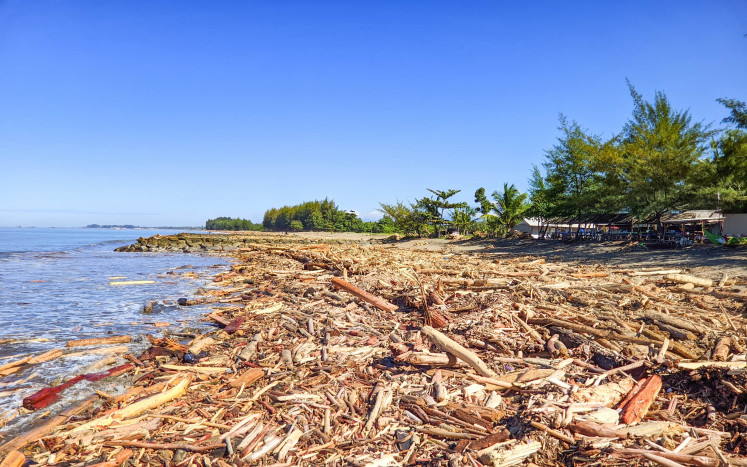
On January 20, 2026, Indonesian President Prabowo Subianto ordered the revocation of business permits for 28 companies operating in Aceh, North Sumatra, and West Sumatra. The decision followed catastrophic floods and landslides that struck Sumatra in late 2025, killing at least 1,200 people, leaving 143 missing, and forcing more than 114,000 to flee their homes.
While triggered by extreme rainfall, authorities say the disaster was dramatically worsened by widespread deforestation, illegal land clearing, and riverbank encroachment. Entire villages were buried by landslides after forests that once stabilized the land had been stripped away.
The revoked permits target forestry, mining, and plantation companies controlling more than one million hectares of land, — many of which are alleged to have violated forest and land-use regulations.
The government’s decision targets companies accused of violating land and forest use regulations, such as illegal deforestation and riverbank encroachment, which exacerbated flooding and landslides following heavy rainfall. These environmental impacts intensified the scale of human and economic loss during the disaster.
Among the companies implicated is Toba Pulp Lestari (TPL), a pulp producer linked to APRIL, Indonesia’s second-largest paper company. TPL has long been one of the most contested operators in North Sumatra. Its expansion has destroyed more than 17,000 hectares of natural forest, much of it belonging to Indigenous communities.
According to conflict mapping by EPN and partners, TPL is involved in land disputes with at least 26 villages, affecting nearly 40,000 hectares. Resistance by Indigenous communities has often been met with violence. In 2009 and 2013, farmers in Pandumaan-Sipituhuta were arrested and beaten for opposing plantation expansion on customary land. Forest destruction continued in the following years.
Deforestation and violence escalated further in 2024. Members of the Tano Batak Indigenous community were abducted from their homes by individuals using vehicles linked to TPL. In September of the same year, armed company security reportedly attacked villagers, injuring women, a child with disabilities, and a university student conducting field research. The brutality of these incidents prompted religious leaders to raise the issue in parliament.
However, so far, the company has relied on government protection and used local police as private security for abducting opponents.
Last November’s natural disaster, with its high death toll, highlighted the criminal nature of TPL.
The deadly floods of November 2025 exposed the real cost of this impunity. The concession was finally revoked, and trading in TPL shares has since been suspended, and the company’s operations have been halted pending an official audit into its role in the disaster.
A few years ago, a coalition of NGOs, including EPN, released a report about profit shifting practices by TPL and its sister company APRIL, allegations that now warrant renewed and thorough scrutiny in light of recent developments.
Revoking permits is a critical first step. But it is not enough.
Real justice requires environmental restoration and social repair: Indigenous lands must be returned, affected communities fully compensated, and companies legally required to restore the forests they destroyed. Without these measures, the cycle of destruction, disaster, and loss will continue.