Europe

Most of the wood harvested in the European Union forests is used for wood pulp production or burned for energy. As a result, EU forests are in a deplorable state. To address this problem, EPN is involved in coordinating:

  •  The EPN Europe Pulp and Paper Working Group
  •  The Forests are Not Fuel Europe Coalition

The EPN Europe Pulp and Paper Working Group 

The EPN Europe Pulp and Paper Working Group brings together organisations that research and address the impacts of the pulp and paper industry in Europe. It also focuses on reducing wasteful paper consumption across the region, including the effects on forests worldwide.

The paper industry in Europe: reaching the limits

Over the past two decades, European wood pulp production has risen by 10%, accompanied by intensified logging across the continent. At the same time, significant volumes of wood fibre have been diverted by pulp mills to energy generation.

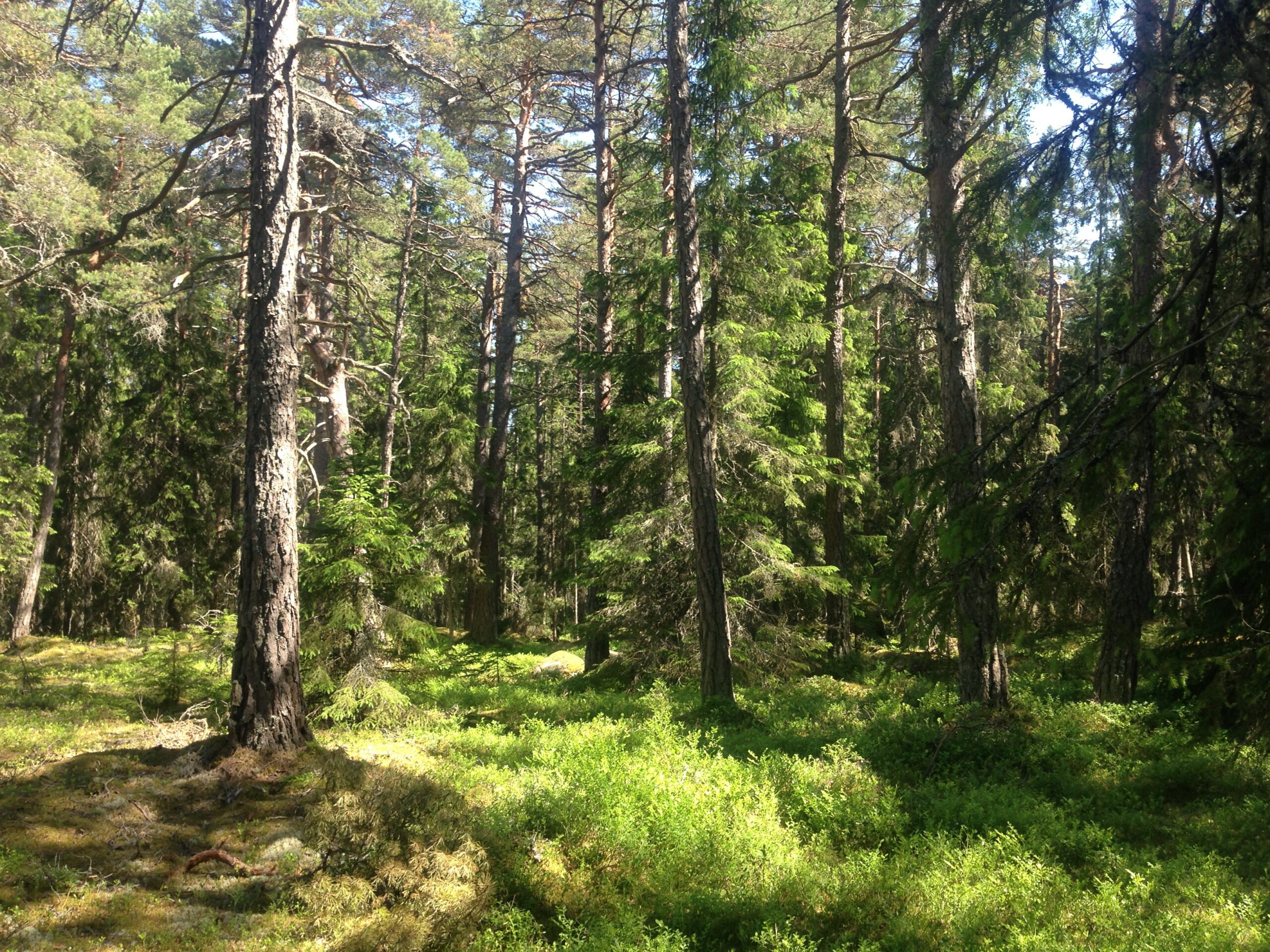
These trends have contributed to a decline in the health and quality of European forests, particularly in the Nordic region. Tall forests have shrunk by 2.25 million hectares—an area roughly half the size of Denmark. Due to overharvesting, forests in countries such as Sweden, Finland, and Estonia are losing their capacity to sequester CO₂. Natural forests are increasingly being replaced by monoculture plantations.

In Southern Europe, milder climates and faster tree growth create favourable conditions for forestry. However, the pulp and paper industry is driving the expansion of fast-growing eucalyptus plantations, especially in Spain and Portugal. While highly productive, these plantations carry high social and environmental costs, including water table depletion, soil erosion, and heightened fire risk—impacts which have led to temporary restrictions on eucalyptus expansion in both countries.

The paper demand in Europe: importing deforestation

At the same time, paper consumption has continued to rise, driven largely by the growth of disposable packaging. As domestic production cannot meet this expanding demand for pulp, Europe has increased its imports from fast-growing plantations in South America and Southeast Asia, where forestry operations often have severe environmental and social impacts.

Key sourcing countries include Brazil, Chile, Uruguay, and Indonesia. In this Asian country hosting large part of the last rainforests of the region, the industry is expanding into some of the most remote areas of Borneo, contributing to widespread tropical deforestation. Rising global demand for virgin pulp is also fuelling a new wave of pulp mill developments, extending into additional countries such as Paraguay and Mozambique.

EPN Europe Working Group Resources

  • Report Pulping The Future: Estonia’s new pulp mill impact on forests, climate and biodiversity (2025) EN
  • Report Beaten To a Pulp: How the EU’s forests are being burned for energy by the pulp and paper industry (2025) EN
  • Report Unwrapping A Disaster: The Human Cost of Overpackaging (2023) EN
  • Factsheet How Renewable is Fibre Sourced for Paper Packaging in Europe? (2023) EN
  • Report Disposable Paper-based Food Packaging: The False Solution to The Packaging Waste Crisis (2023) EN
  • Briefing Paper Packaging Industry – Myth Busting (2023) EN

What the Europe Working Group is doing

In addition to its regular virtual meetings—where participants coordinate and develop joint strategies—the Working Group actively supports national and local campaigns across Europe.

Spain
The Working Group has backed local mobilisation against the proposed Altri pulp mill in Galicia, a project that would further intensify eucalyptus expansion in a region already heavily affected by industrial plantations, drought, and wildfires. EPN has helped generate international pressure against the project, including issuing a global call to halt its development. The network is also investigating the environmental and social costs of the planned expansion and is collaborating with Greenpeace España and other local partner organisations to monitor social conflicts and broader regional impacts. In parallel, EPN is coordinating efforts to address the project’s financing, engaging additional actors to challenge financial backing.

Sweden
The Working Group supports the organisation Skydda Skogen in its campaign to protect Sweden’s remaining intact forests. In particular, EPN has contributed to the “SCA Files” campaign, which pressures consumer goods companies to sever ties with SCA as a pulp supplier. A significant milestone has already been achieved: Nestlé announced that it will no longer source pulp from SCA.

Estonia
The Working Group has supported and coordinated a joint investigation into a planned pulp mill in northern Estonia, in Ida-Viru. It is also working to increase scrutiny of financial institutions considering investment in the project, with the aim of preventing or mitigating its environmental and social impacts.

To join this working group, please reach out to mateus.carvalho@environmentalpaper.org

The Forests are Not Fuel Europe Coalition

We co-coordinate Forests are not Fuel Europe, a coalition of non-governmental organisations working to reduce the use of forest biomass in energy generation in Europe.


Burning Forests for Energy: Europe’s False Climate Solution

Over the past two decades, the European Union has rapidly expanded the use of forest biomass for heat and electricity, driven by renewable energy targets and generous public subsidies. Today, burning wood represents the largest source of so-called “renewable” energy in the EU, with biomass-based electricity generation increasing by 1100% since 1990.

At the same time, this expansion has weakened Europe’s forest carbon sink. As harvesting for energy has intensified, the EU’s land and forest sink has declined, and some Member States — including Estonia and Finland — have lost their net forest sink entirely. Earlier EU impact assessments had already warned that increased biomass use would shrink the forest sink, even with sustainability criteria in place.

The problem is rooted in flawed carbon accounting. Under current UNFCCC and IPCC rules, emissions from burning biomass are counted as zero in the energy sector and assumed to be reflected in the land sector. This creates the misleading impression that wood-burning is carbon neutral, even though smokestack emissions from wood can equal or exceed those from coal per unit of energy.

Subsidies are central to this growth. In 2021 alone, direct EU subsidies for biomass reached €19 billion, diverting public funds from genuinely low-carbon solutions such as wind and solar. Support spans the entire supply chain, from logging and pellet production to large power plants.

Europe’s demand also drives global impacts. Wood pellet production has risen by more than 250% in a decade, reaching 47.5 million tonnes in 2022, with Europe consuming around two-thirds of global output. Imports from North America and Southeast Asia link EU energy policy to forest degradation abroad.

Burning forest biomass is not a climate solution. Aligning policy with science requires ending subsidies, correcting carbon accounting, and prioritising energy efficiency, wind, solar and forest protection.

What the Europe Working Group is doing

The organisations affiliated with the coalition meet regularly to share knowledge and coordinate joint efforts aimed at withdrawing public support for biomass energy in Europe. A key activity is raising awareness among EU decision-makers about the negative effects of using forest biomass for energy by participating in public consultations and stakeholder workshops organised by EU institutions, developing joint positions, and organising joint events.

To join this working group, please reach out to augustyn@environmentalpaper.org