
Burning woody biomass for energy is often wrongly seen as a sustainable renewable energy source. However, burning wood means more destructive logging of forests, which harms the climate, including by reducing carbon stocks and sinks, and also destroys natural ecosystems and wildlife habitat. It means more land conversion to industrial tree plantations, which provide little or no habitat to wildlife, store much less carbon than forest ecosystems, deplete freshwater and soils and, especially in the global South, are often linked to landgrabbing and human rights abuses.
Stopping Big Biomass Energy
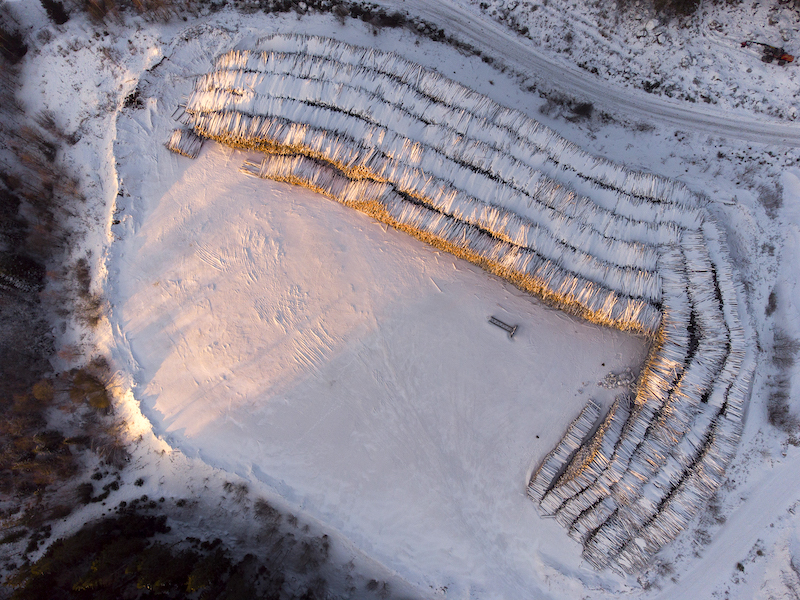
The common misconception that burning woody biomass is sustainable, is caused by the way emissions are calculated and the carbon accounts are presented. The emissions caused by burning wood for energy do not appear in national carbon accounting for energy, unlike emissions from oil, coal and other fossil fuels. But that doesn’t mean the emissions aren’t real: CO2 emitted from burning wood heats the atmosphere in exactly the same way as CO2 from burning coal. Additionally, as more forests are logged or converted to plantations, they become less carbon dense and thus store and sequester less carbon.
In reality, burning woody biomass for energy emits no less CO2 than burning coal. While burning forest biomass at large scale immediately releases large carbon stores to the atmosphere, new trees, let alone replacement forests, can’t regrow and re-absorb that CO2 again for decades to centuries – time we do not have in the race to combat climate change. Forests are essential for our future: they contain huge stores of carbon we need to keep out of the atmosphere and are havens for biodiversity. By keeping them intact rather than logging and burning them, they lock away more carbon from the atmosphere as they grow, and thus slow down global warming. Burning forest wood for energy is short-sighted and unsustainable.
Conversion of forests and other ecosystems to industrial monoculture tree plantations is especially harmful, immediately destroying biodiversity. Plantation conversion frequently involves the undermining of community rights and interests, exacerbating conflicts over land and forest resources, including land grabbing in the global south. The impacts are felt by marginalised communities on the front line of forest destruction including indigenous and tribal peoples and local communities. When they encroach onto agricultural land, there are also adverse impacts on food sovereignty and security, locally and for the wider populace.
The climate and biodiversity crises are intertwined.
Protecting and restoring forests is key to addressing both. According to the IPCC protection, improved management, and restoration of forests and other ecosystems, has the greatest potential to reduce emissions and/or sequester carbon. The IPCC also clearly warns that counting wood as having zero emissions in the energy sector does not mean carbon neutrality. To achieve our global climate and biodiversity goals, we should protect and restore forests (and acknowledge the importance of rights-based protection) not burn them for energy production.