
Skip to Content

WWF invites 80 companies to participate in Environmental Paper Company Index 2015

WWF, the world ́s largest conservation organisation, is inviting the world’s leading pulp and paper manufacturers to participate in the Environmental Paper Company Index 2015. The biannual Index promotes transparency and continual improvement in the sector. The list of invited manufacturers from Europe, North America, South America, Asia and Africa can be viewed on www.panda.org/epci2015. […]

Read More
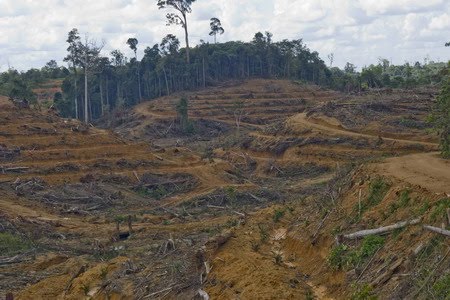
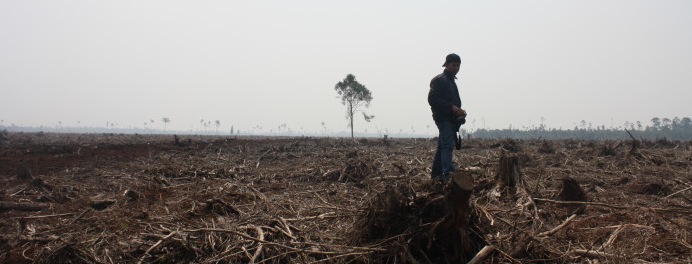
Financing APRIL in Indonesia is not acceptable

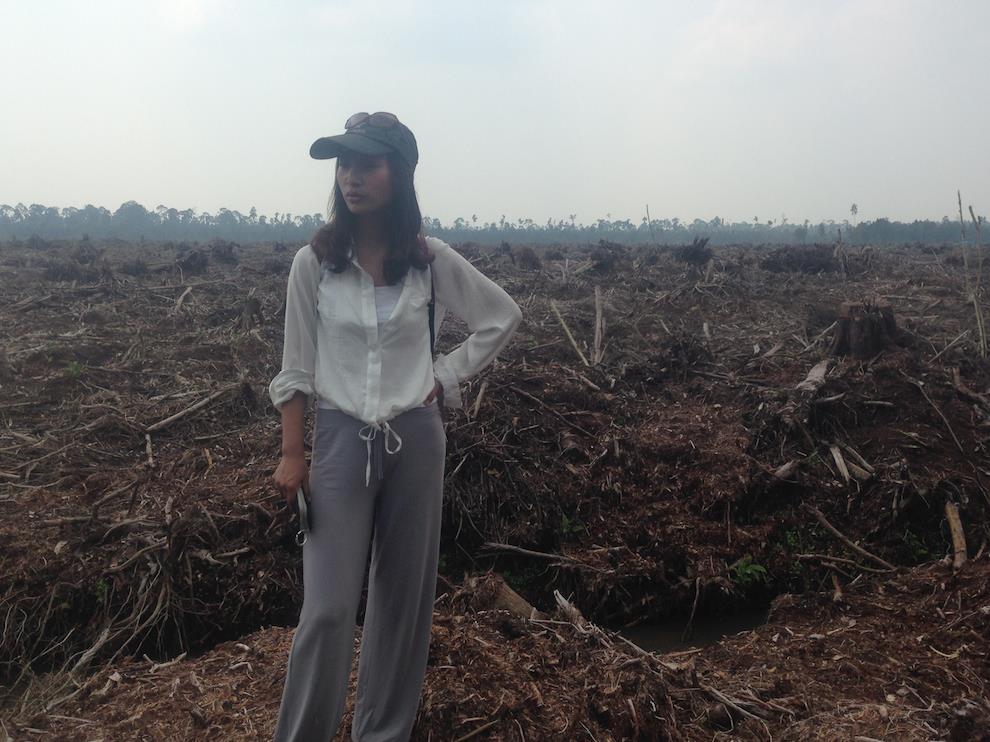
As we have highlighted in recent posts, Asia Pacific Resources International Limited (APRIL) is responsible for substantial deforestation in Indonesia, causing social conflict and greenhouse gas emissions. In partnership with BankTrack, our pulp finance working group has researched the main banks involved with APRIL and then systematically contacted them asking them to divest. You can […]

Read More

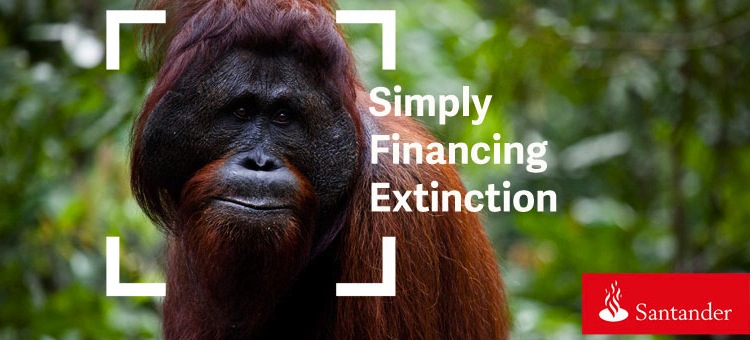
Santander Says No Further Financing for APRIL Because of Deforestation

Recently, the Environmental Paper Network met with Santander Bank regarding its financing of deforestation carried out to produce pulp and paper in the tropical rainforests of Indonesia.  A public campaign by Greenpeace generating almost 150,000 petition signatures was undertaken for the last few weeks as well. Today, Mongabay.com is reporting that Santander has changed course. “Our parent company, […]

Read More

New factsheet shows forest destruction and social conflict caused by APRIL in Indonesia

A new factsheet summarising the impacts of Indonesia’s second biggest pulp and paper company, APRIL, is now available here: APRIL-monitoring-factsheet-Feb-2015 The factsheet draws together evidence from NGOs in Indonesia who have been monitoring APRIL’s activities, and it reveals significant problems linked to the company including deforestation, release of carbon from deep peat soils, social conflict […]

Read More

Banks lend almost $2bn to “Indonesia’s biggest forest destroyer”

Despite ongoing rainforest clearance, APRIL and its affiliate companies in the Royal Golden Eagle group do not seem to have any problems in finding money to support their activities. Greenpeace last week launched a major campaign against Santander for its role in financing APRIL (Asia Pacific Resources International Limited), the Indonesian pulp and paper producer described by […]

Read More

Read about our progress to protect forests and people

Last year was a successful year for the EEPN, with the launch of the Global Paper Vision, strong collaboration with the Chinese and North American Environmental Paper Networks, excellent progress in our Indonesian rainforest paper campaign and much more. You can read all about it in our Annual Report for the year by following this […]

Read More

WWF: Many paper products in the German retail sector contain tropical wood

Paper products from the German retail sector often contain tropical wood, as analyses by WWF have revealed. Over the past few months, the environmental protection organisation, WWF, got the composition of a total 144 different products, including writing paper, note books, photo albums and address books examined. The results showed that tropical wood was found […]

Read More

Rainforest Alliance Evaluates APP on 2nd Anniversary of Forest Commitment

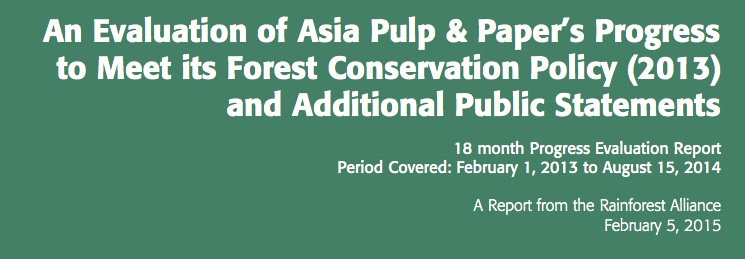
Today, Asia Pulp & Paper (APP) released the first independent evaluation of its progress to implement its commitment to zero deforestation and its Forest Conservation Policy (FCP) announced in February 2013.  The evaluation concludes that the company has made moderate progress towards meeting its commitments, but it also highlighted a number of shortcoming that need […]

Read More

New Report: Packaging Sustainability Improvements Needed for Fast Food, Beverage, and Consumer Goods Companies

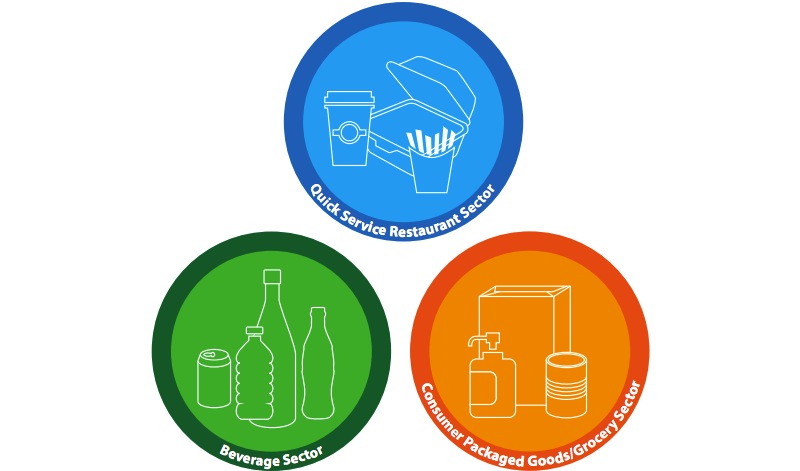
(sourced from Switchboard, the NRDC staff blog) Today, NRDC and As You Sow released a report, “Waste and Opportunity 2015: Environmental Progress and Challenges in Food, Beverage, and Consumer Goods Packaging,” which analyzes the packaging practices and policies of 47 companies in three sectors: quick service restaurants (QSRs, or “fast food”), beverages, and consumer goods/grocery. […]

Read More