
The climate crisis was driven by corporate power. Why are we letting it shape the solutions?
The world relies on carbon accounting to track progress toward climate goals. From corporate net-zero commitments to government regulations and investor disclosures, one framework is an important disclosure tool: the Greenhouse Gas (GHG) Protocol.
Developed by the World Resources Institute (WRI) and World Business Council for Sustainable Development (WBCSD), the GHG protocol is a voluntary accounting standard used by corporations to measure and report greenhouse gas emissions.
That is why recent controversy surrounding the GHG Protocol has sparked concern across the climate community.
Danny Cullenward, professor at the University of Pennsylvania and a member of the Protocol’s Independent Standards Board, has resigned, alleging governance failures, a lack of transparency, and undue influence from industry interests during ongoing discussions about forest carbon accounting.
Cullenward’s resignation has reignited an important debate: who gets to define the rules for measuring climate action, and how can those rules remain credible in the face of competing interests?
Why the GHG Protocol Matters
The GHG Protocol is the world’s most widely used framework for measuring and reporting greenhouse gas emissions. Its standards underpin corporate climate reporting, sustainability disclosures, net-zero targets, and many carbon market mechanisms. The Protocol’s influence has never been greater, as thousands of companies, investors, and regulators depend on its methodologies to assess climate performance and compare emissions data.
Yet, Cullenward raised concerns about the GHG Protocol’s lack of “adequate transparency requirements or norms, with secret ballot voting, an opaque procedure for addressing formal complaints, and no public records of the independent standards board meetings.”
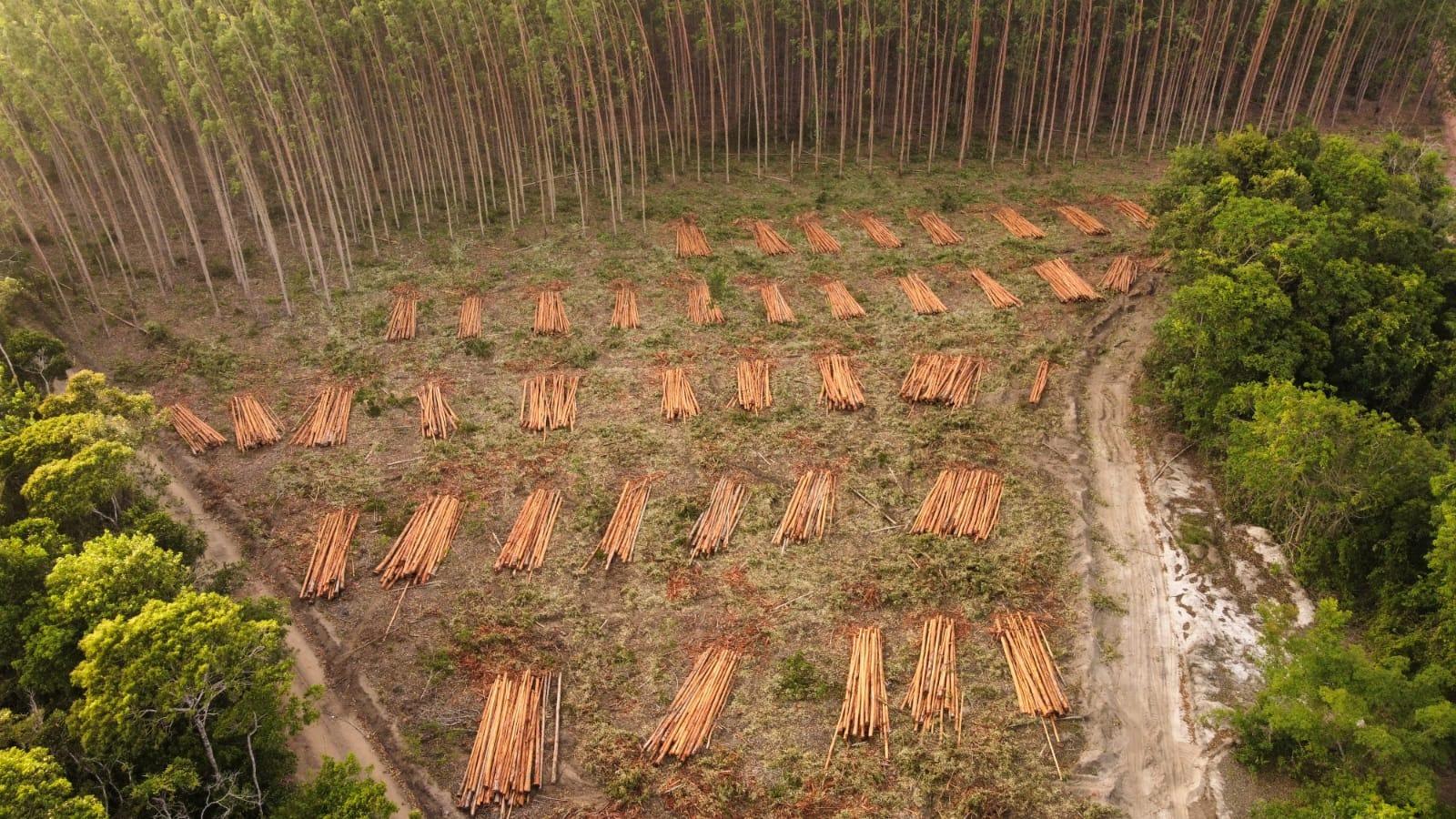
He stated, “In theory, the GHGP is supposed to be focused on accuracy and scientific integrity, but in practice they are defending a dominant market position in a difficult fundraising environment.” In other words, this means that logging is being assigned carbon removal status, which Cullenward says will mean that “recycled paper would be counted as a climate harm, while cutting down an old-growth forest to produce virgin paper would be counted as a climate benefit.”
As a result, business-led deforestation for products such as paper and biomass, is promoted as climate positive, while solutions, such as recycling and reuse, may be slammed as impacting.
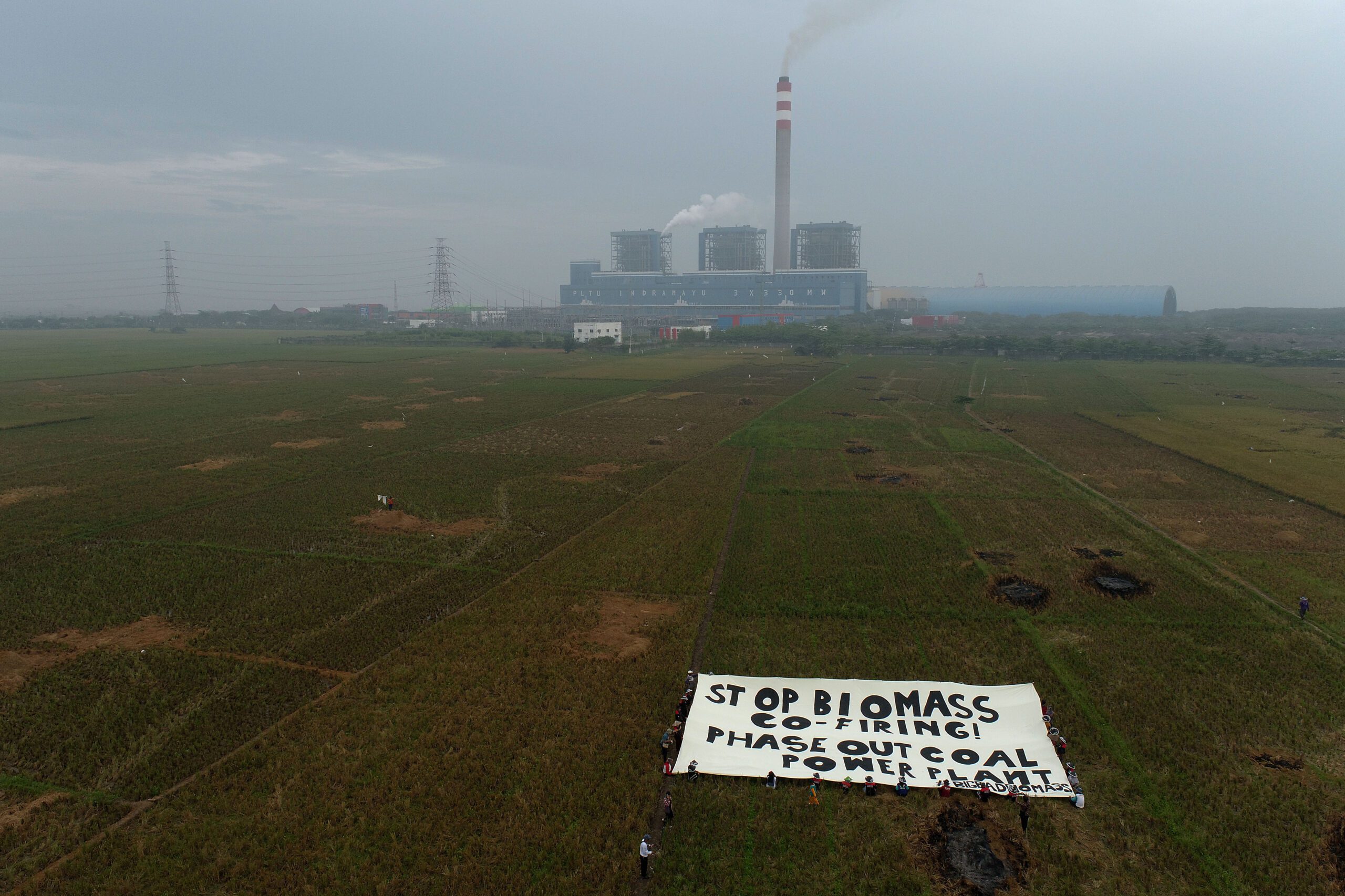
ⓒ Trend Asia 2022
It works this way: all industrial activity causes some climate impact. By assigning impacts of the most deforestation-inducing activities as zero-emissions, these practices become incentivised, while their alternatives pay the full price of their emission impact, and therefore become de-incentivised.
This is obvious nonsense, and shows that clearly something is going wrong in carbon accounting.
Rules for forests and carbon removals must be grounded in science and reflect the realities of permanence, additionality, and uncertainty. The departing board member alleges that the standard-setting process has been taken hostage by corporate interests, made possible by poor transparency.
In a report released at the Kleinman Center for Energy Policy, Cullenward openly alleges “violations of the Board’s terms of reference,” and that the violations “undermined the scientific integrity of the Board’s deliberations” over the land sector standard.
This controversy is about more than one resignation. Trust is at the foundation of climate accountability. If emissions accounting standards are perceived as compromised, confidence in corporate sustainability claims can quickly erode. Weak accounting rules allow companies to overstate progress, obscure real-world emissions, or rely excessively on uncertain carbon removals rather than reducing emissions at source.
Conversely, robust and transparent standards help ensure that reported climate progress reflects genuine emissions reductions and supports informed decision-making by policymakers, investors, and the public.
As scrutiny of greenhouse gas emissions disclosures increases worldwide, maintaining the credibility of accounting frameworks will be essential to prevent greenwashing and accelerate meaningful climate action.
The timing of this case is particularly significant. The GHG Protocol is currently undergoing major updates to its standards while taking on an increasingly prominent role in the global climate reporting ecosystem. Decisions made today could shape how emissions are measured and reported for years to come.
This moment presents an opportunity—not only for the GHG Protocol, but for the broader climate community—to strengthen governance, improve transparency, and ensure that scientific evidence remains at the center of decision-making.
To maintain trust in climate accounting systems, standard-setting processes should:
- Prioritize transparency in deliberations and decision-making.
- Investigate eventual breaches of governance rules.
- Ensure balanced stakeholder representation, including civil society and independent scientific experts.
- Clearly disclose and manage conflicts of interest.
- Publicly ground methodologies in the best available science.
- Create meaningful avenues for public participation and scrutiny.
Climate action depends on credible measurement. Without trusted standards, even the most ambitious climate commitments risk losing their value.
The debate surrounding the GHG Protocol serves as a reminder that climate governance is not only about setting targets—it is also about ensuring the integrity of the systems used to measure progress toward them. And that process cannot be hijacked by the same corporate interests that have driven the climate crisis.
Back to News