
Ahmad bin Hanapi, a resident of Buong Baru Village in the eastern corner of Borneo, was tending his garden when the police arrived and arrested him, questioning his ownership of the land. Mr Ahmad produced an old document proving that this land belonged to his family. The document was taken by the police and eventually disappeared.
In jail, Mr. Ahmad was asked to sign a paper. Being illiterate and intimidated by the police, he complied, but the paper resulted in a confession of guilt.
“I haven’t been to school. I can’t read and write, so when the police asked me to sign the paper, I scored my signature. I didn’t know what it was, but it turned out to be a detention letter.”
PT Adindo Hutie Lestari, a plantation company linked to the paper giant APRIL (Asia Pacific Resources International Limited), has accused Mr Ahmad of illegally occupying and working on land formally claimed as a forest area. The law (Article 50 §3 of the Forestry Law) carries a penalty of 10 years in prison and a fine of up to IDR 5 billion (about 54 million USD, equal to 100 years of minimum wage).
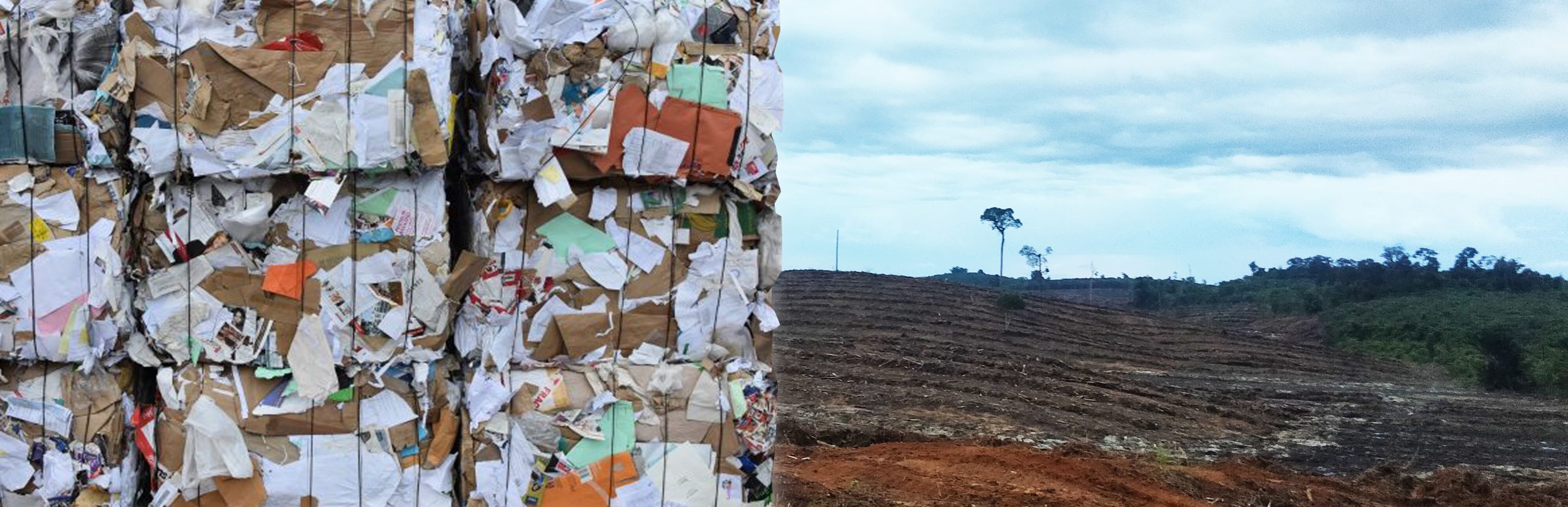
APRIL is globally well known for its central role in decades of massive deforestation in Indonesia. The last case of large-scale deforestation was recently documented by an NGOs’ report and international media. But neither its owners nor its management have ever been jailed.
On the contrary, the police were swift in arresting Mr Ahmad on the complaint of APRIL.
After converting precious habitats of tiger and orangutan into industrial plantations in Sumatra and western Borneo, APRIL interests are now focusing on the remaining forests in the island’s eastern corner. Another NGOs’ report revealed that the company conglomerate is building a large pulp mill in the region, in the city of Tarakan, posing a serious threat to the last intact forests already being clear-cutted to expand the plantation needed to feed it.
The new pulp mill and the deforestation it will cause are dragged by the global demand for paper fibre for the growing business of single-use packaging.
Mr Ahmad is now free after almost seven months of unjust imprisonment. He was released on October 10, 2024, by the order of a judge who found him innocent.
“My fate is actually experienced by many people in the village of Buong Baru and the surrounding villages, who can be accused of managing their own land,” commented Mr. Ahmad. This is, unfortunately, true. APRIL-linked pulp plantation companies now control waste areas in the region, including large tracts of still-standing forests and land traditionally owned by indigenous communities.
While dragging Mr. Ahmad in jail, APRIL was in talks with the certification standard FSC to become eligible for certification after being expelled in 2013. Remarkably, FSC seems not to have taken note of this further gross violation of human rights.
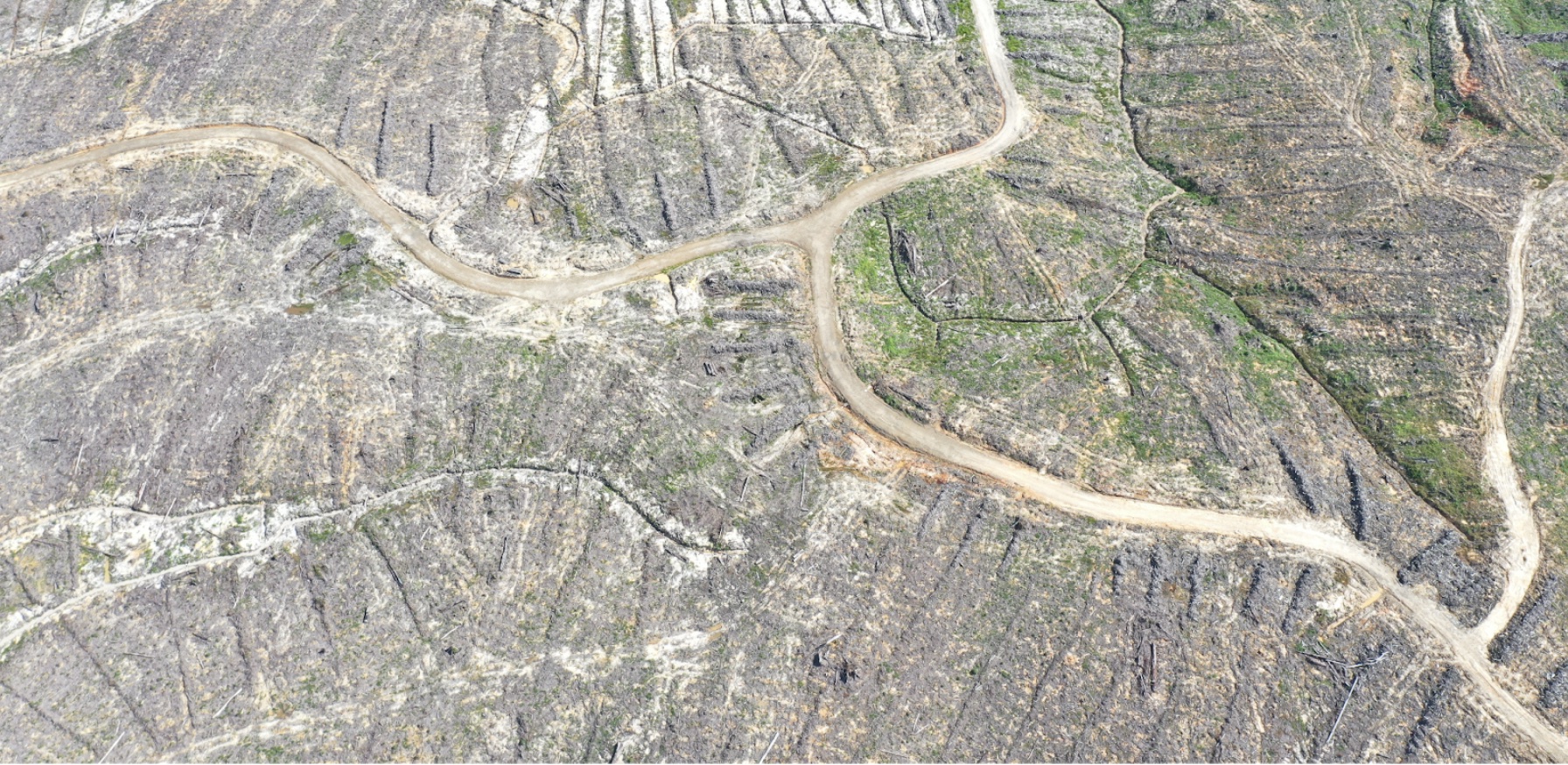
Adindo plantations, North Kalimantan © Green of Borneo
Back to News