
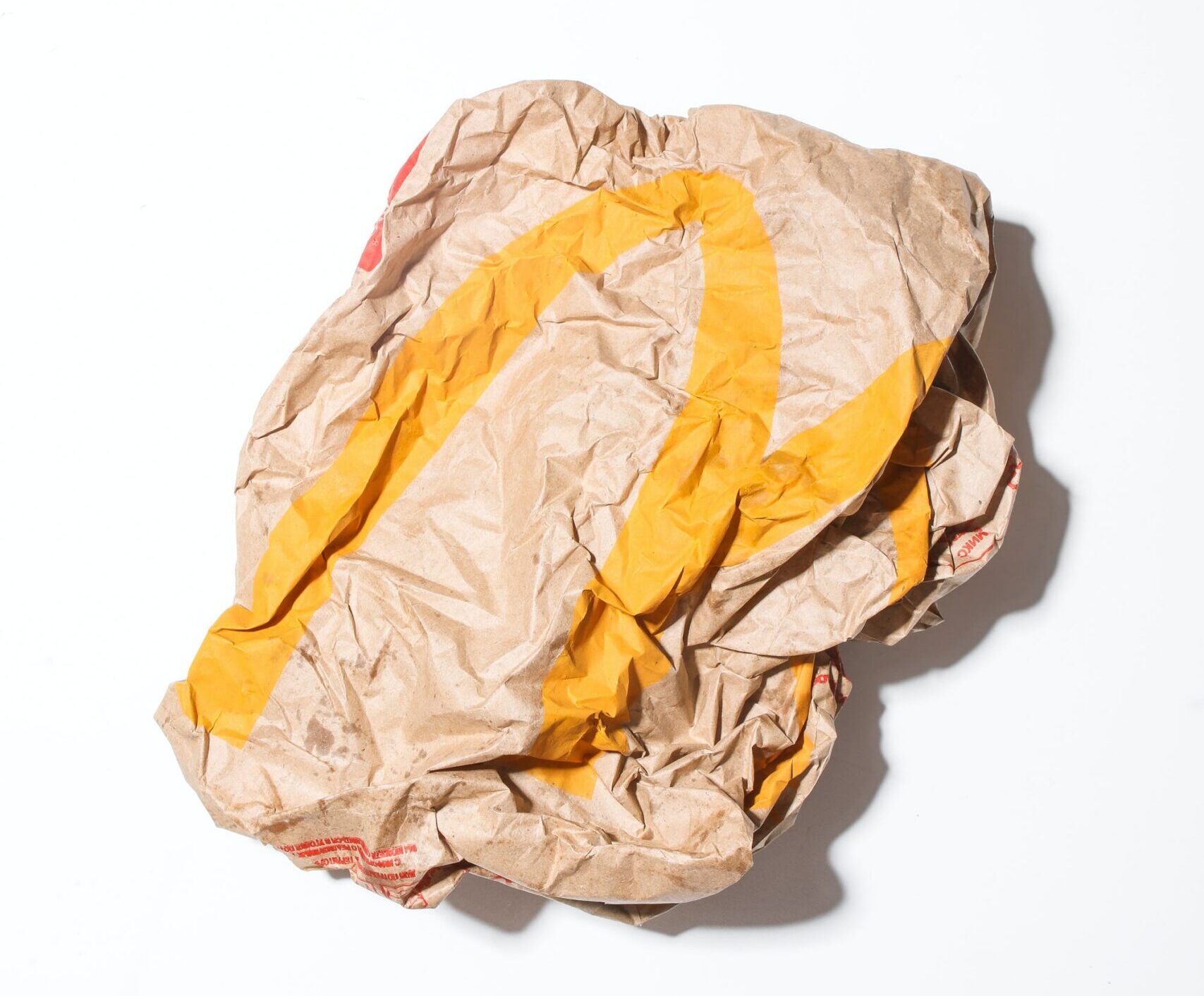
McDonald’s has been ordered to stop using single-use cups for customers eating and drinking in its restaurants in the Netherlands. The important question is not why this is happening now, but why it took an enforcement action to make it happen at all.
For years, disposable packaging has been presented as a matter of convenience: a fast meal, a quick drink, a cup used for a few minutes and then thrown away. But there is nothing “disposable” about the resources that go into making that cup.
Oil and gas extraction, energy-intensive manufacturing, transport, coatings, paper, plastics and waste management all go into producing a container that may be used for only a few minutes. The waste may disappear from our hands when we put it in a bin, but it does not disappear from the planet.
That is why the Netherlands introduced rules requiring food and drinks consumed on-site to be served in reusable packaging, with limited exceptions, beginning in January 2024.
What happened?
McDonald’s Netherlands has received a penalty notice after the Dutch Human Environment and Transport Inspectorate (ILT) investigated complaints brought forward by the Fair Resource Foundation. According to the information released by the organisations, ILT found multiple violations during dozens of visits to McDonald’s restaurants.
In December 2025, the Fair Resource Foundation alleged that McDonald’s was still serving drinks and McFlurry ice creams in single-use cardboard cups with plastic coatings, while charging a €0.15 surcharge per cup. The organisation argued that McDonald’s was continuing to make money from packaging that was not permitted for on-site consumption.
The outcome is significant: McDonald’s must serve reusable packaging for on-site consumption from 5 January 2027, or face a weekly fine of €625,000, up to a maximum of €3.75 million.
That is not a small administrative slap on the wrist. It is a clear signal that the throwaway model is running up against stronger environmental policies designed to reduce waste and resource use.
Single-use packaging is based on a simple model: extract, manufacture, consume and discard. Reuse requires a different approach. Instead of using resources once and throwing them away, products need to stay in circulation and be used again.
That takes infrastructure. Customers need easy ways to return reusable packaging. Restaurants need efficient collection and washing systems. Cups need to be durable and designed for repeated use. And the system needs to be simple enough that people will actually use it.
Reuse needs infrastructure, not excuses.
It is also a question of business models. If we compare a highly efficient single-use system with a poorly designed reuse system, we should not be surprised when single-use looks better.
McDonald’s has argued, based on its own impact assessment, that reusable packaging can have a greater environmental impact than single-use packaging if it is not reused enough times. There is some obvious logic to this argument. Reusable cups still have to be manufactured, collected, transported and washed. If a cup is used only a few times before it is lost, damaged or discarded, its environmental benefits can be greatly reduced.
But there is an important problem with using this argument against reuse.
The Fair Resource Foundation has pointed out that McDonald’s own 2024–2025 impact report suggests that reusable cups in the Netherlands are reused just 3.3 times on average. The organization argues that McDonald’s has allowed its reuse system to fail while lobbying against requirements for reusable packaging.
A system in which a reusable cup is used only 3.3 times is hardly a meaningful test of what reuse can achieve. If that figure is accurate, it raises a basic question: Is the problem with reuse, or with how McDonald’s has designed and operated its reuse system?
If McDonald’s wants to argue that reusable packaging does not work, it should first show that it has made a serious effort to make reuse work. That means investing in the infrastructure, logistics and systems needed to keep reusable packaging in circulation.
Three uses is not evidence that reuse fails. It is evidence that a reuse system averaging only three uses is not working as a reuse system should.
The future of packaging cannot depend on making more products, using them once and throwing them away. If reuse is going to succeed, businesses need to build systems that make repeated use easy, practical and normal.
Back to News