How voluntary commitments are used — and abused
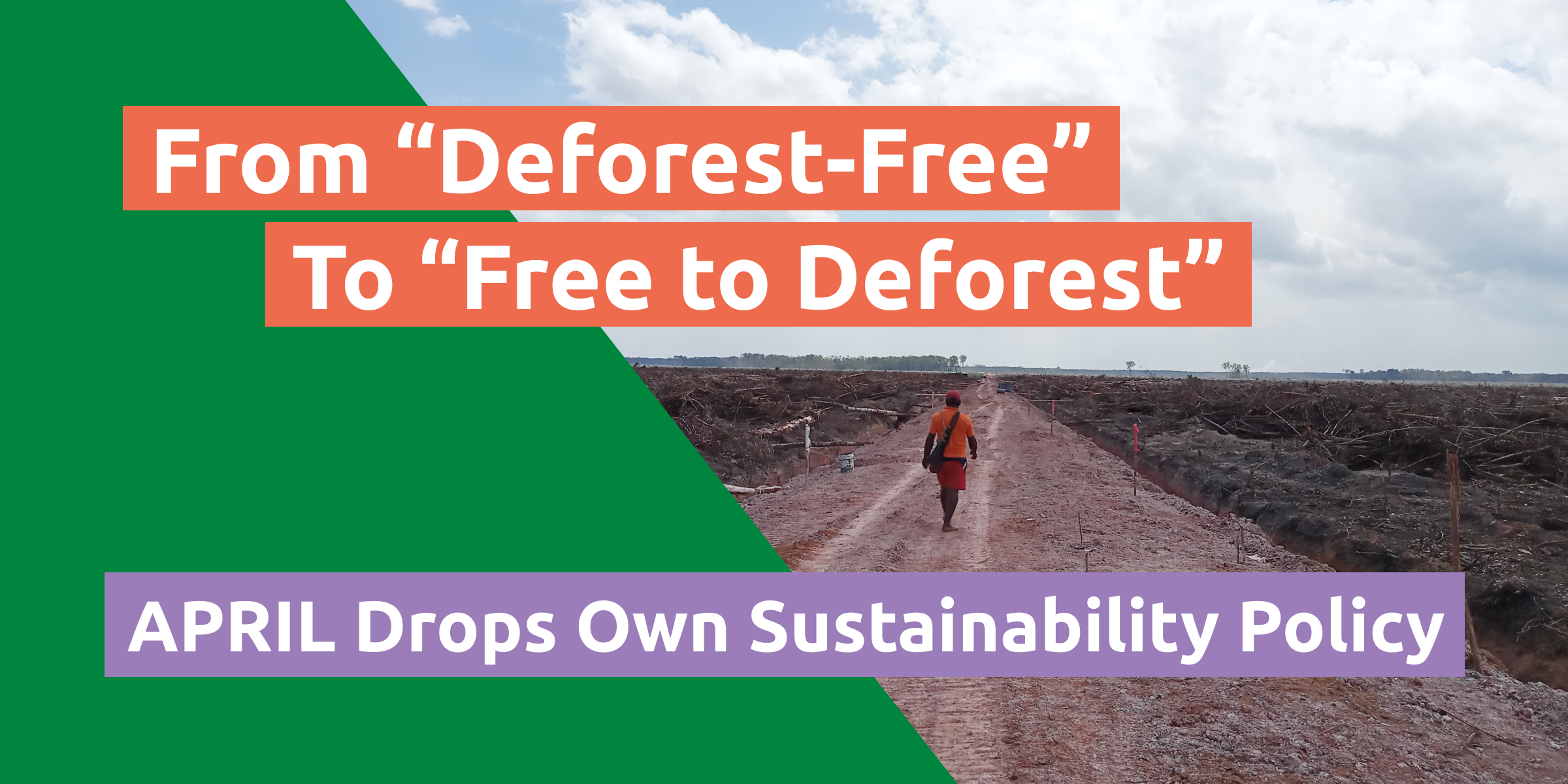
It is now official: after more than a decade of presenting itself as a deforestation-free company, the pulp and paper giant Asia Pacific Resources International Limited (APRIL) has effectively abandoned its own sustainability policy.
APRIL’s Sustainable Forest Management Policy (SFMP 2.0) emerged in response to years of environmental destruction and social conflict in Indonesia, following the devastation of hundreds of thousands of hectares of tropical forest, including critical habitat for the Sumatran tiger.
At the time, SFMP 2.0 was presented as a historic turning point; from now on, we are serious about sustainability. Investors believed it. Buyers believed it. Governments and institutions believed it.
Yet in one respect, APRIL has remained remarkably consistent: violating its own commitments. Deforestation continued, and social conflicts and violent attacks on indigenous communities worsened on a large scale.
Meanwhile, APRIL and its parent conglomerate Royal Golden Eagle (RGE) established opaque corporate structures through companies incorporated in offshore secrecy jurisdictions and tax havens. Through these structures, APRIL developed a massive new pulp operation in the middle of Borneo’s ecosystem while continuing to deforest through the same old mechanisms.
As pressure mounted and commitments went unmet, APRIL shifted strategy. Rather than complying with its existing obligations, the company escalated its rhetoric, promoting increasingly grand but vague promises: protecting the climate, creating thriving landscapes, eradicating poverty, and delivering “sustainable growth.”
Some of these promises included more concrete targets, such as achieving net-zero emissions from land use. But such goals would require large-scale peatland restoration — an action the company has consistently refused to undertake.
This policy suspension is particularly disastrous in light of the fact that wood fibre has now become the leading driver of deforestation in Indonesia.
Corporate commitments are often described as “voluntary.” But once those commitments are used to secure loans, attract investors, reassure customers, and maintain market access, they are no longer merely symbolic. Their honest implementation becomes a financial obligation.
This is not only about fundamental values, such as destroying vast areas of remaining Bornean orangutan habitat, degrading climate-critical peatlands, or systematically violating the rights of local communities and Indigenous peoples.
Nor is it simply about misleading consumers who trust corporate sustainability claims.
It is also also raises serious concerns about whether sustainability commitments are being used to secure financing, maintain market access, and reassure investors without meaningful implementation.
When public environmental commitments are repeatedly violated by continued deforestation and unresolved social conflict, the issue extends beyond “greenwashing” and into deeply misleading territory for investors, buyers, and the public.
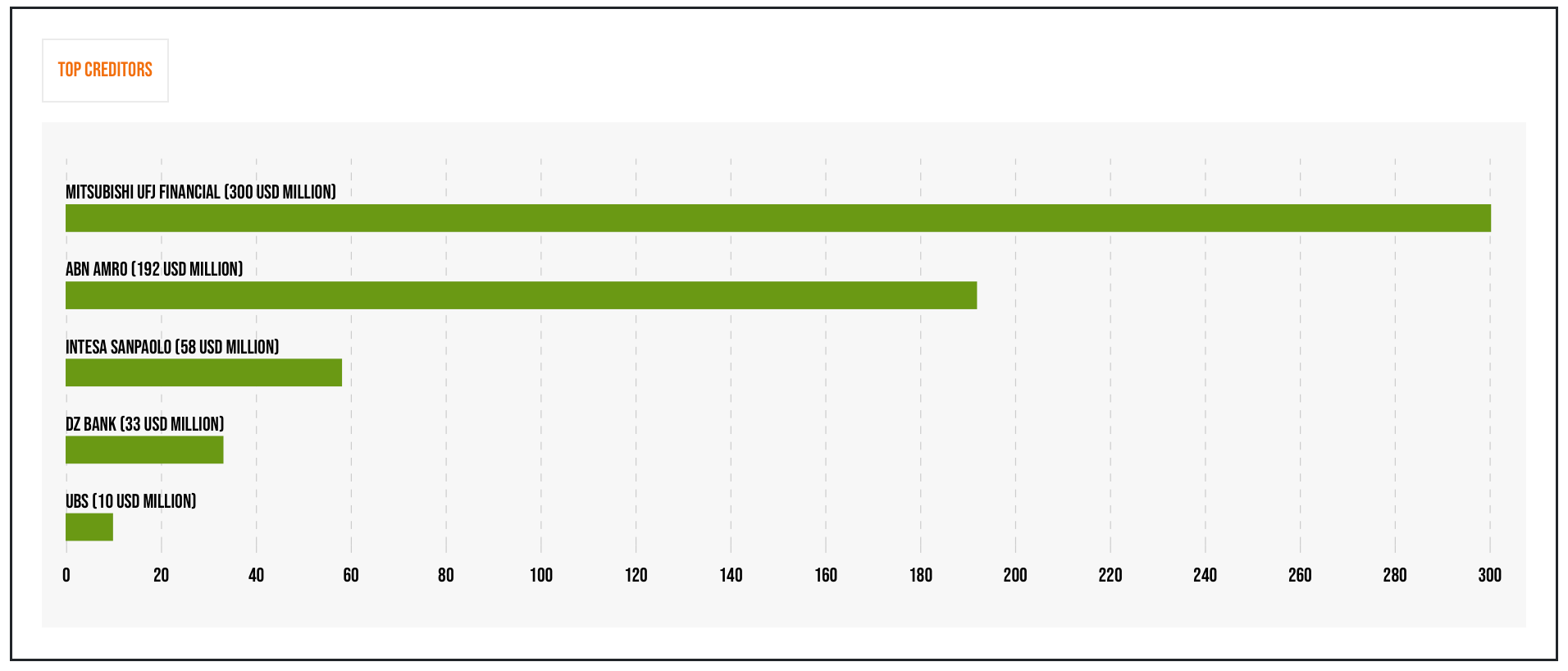
In these years, banks and other financial institutions have invested USD $5.54 billion into APRIL. The real question is whether they are willing to continue being deceived — and to allow their own clients and investors to be deceived as well.