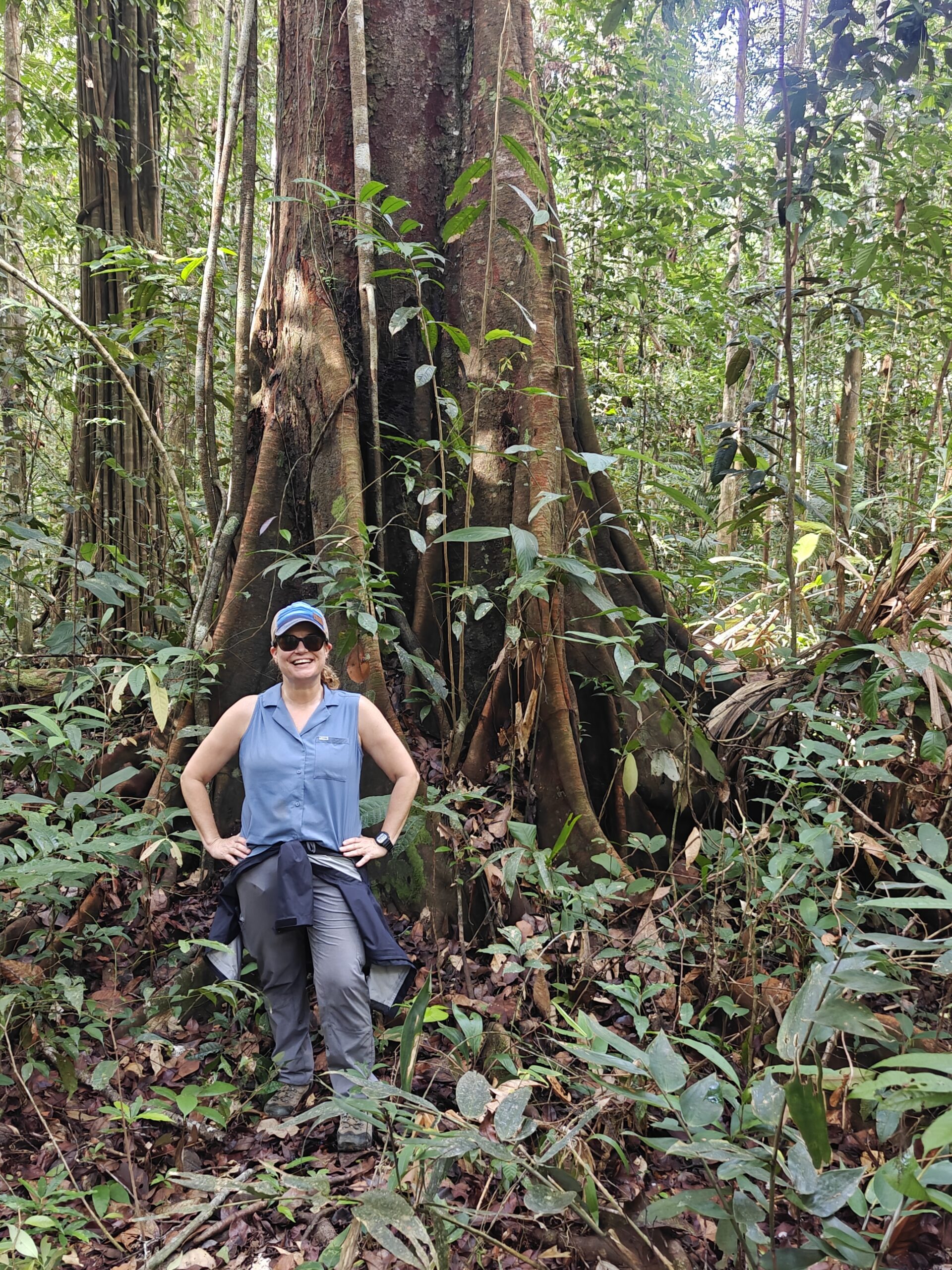
Greetings! Recently I had the opportunity to visit Guyana, a country proud that their lands are 87% forested, including a section of the Amazon. My visit was funded by a cultural and educational grant from Partners of the Americas, an NGO that facilitates exchanges throughout South America, Latin America, and North America.
During my exchange to Guyana, I met many wonderful people, learned about some well-respected conservation programs, and viewed Guyana’s magnificent forests and wildlife.
Specifically, I was very impressed with the Iwokrama International Centre for Rainforest Conservation and Development. At the institute I had the opportunity to meet Dr. Raquel Thomas, Director for Natural Resources Management and Training. Here is a short video of Dr. Raquel Thomas, explaining the Iwokrama’s abundant natural beauty.
Iwokrama is one of 5 protected areas in Guyana known as the “Green Heart” and it includes 1 million acres of protected biodiversity habitats. Guyana is also known as “Land of the Giants”, and many of the world’s largest species are endemic to the Green Heart.
Below are a few pictures of the Iwokrama River Lodge and Research Station as well as the Iwokrama Canopy Walkway. Another short video displays the scenery and facilities of Iwokrama. The Canopy Walkway is located adjacent to Atta Lodge. Like Iwokrama River Lodge, Atta Lodge is also an eco-tourism business operated by Iwokrama International Centre, and managed by a consortium of local stakeholders. The North Rupununi District Development Board (NRDDB) and Iwokrama have a Collaborative Management Agreement which defines the relationship and gives communities a voice in how Iwokrama is managed, so there is community consensus. They also receive priority for jobs. This is important because eco-tourism is the fastest growing industry in this region of the rainforest. A good example is this short video from Marci Johnny, Asst. Tourism Manager, Bina Hill Institute graduate, and Master Birder. Another NRDDB community is Surama EcoLodge. Sadly, I wasn’t able to visit (but I am dreaming of returning to Guyana).
After returning from Guyana, I attended the World Bank Spring Meetings in Washington. The meetings of the International Monetary Fund and the World Bank Group highlighted a wide range of global development projects, along with the growing need for stronger transparency, effective Remedy Action Frameworks, and robust accountability mechanisms. Accountability and access to remedy are essential to the long-term success and credibility of any development project.
Having witnessed firsthand what is possible when Indigenous communities are empowered and supported, I leave with more than hope—I leave with conviction. The success of the Iwokrama communities proves that protecting the environment and sustaining livelihoods are not competing goals, but shared ones. Their forests stand not only as a testament to natural beauty, but as evidence that when people are valued as the greatest resource, preservation becomes a lasting reality. If other nations choose to follow this example, the future of our planet may be far more resilient than we imagine.
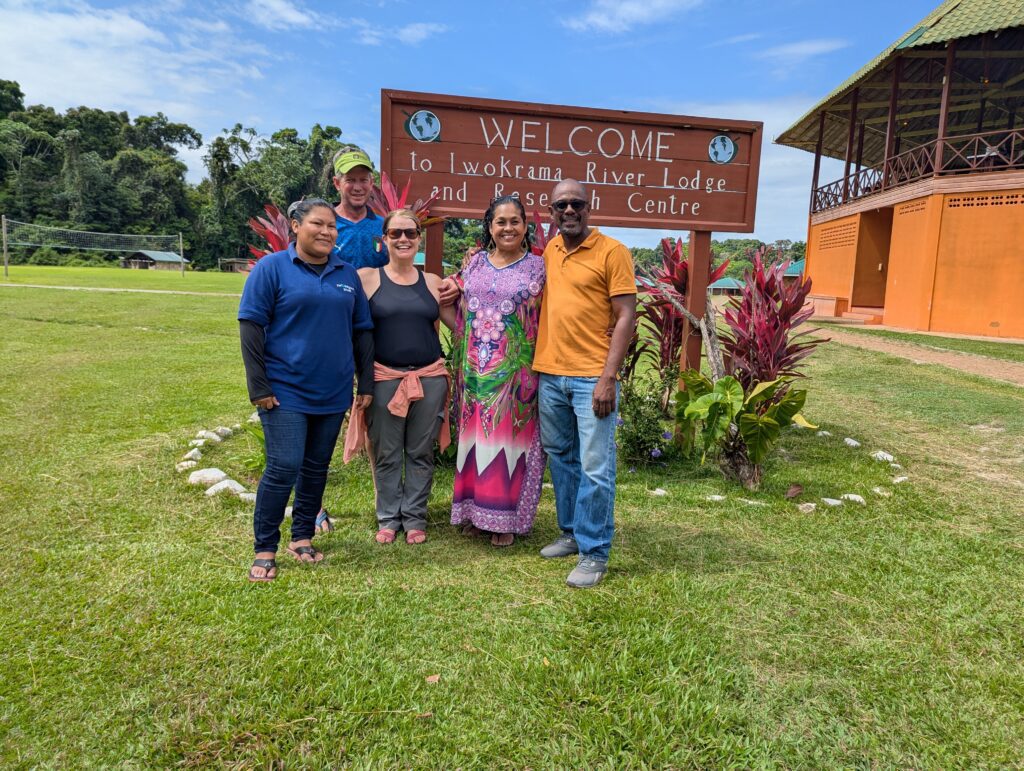
Iwokrama River Lodge & Research Centre
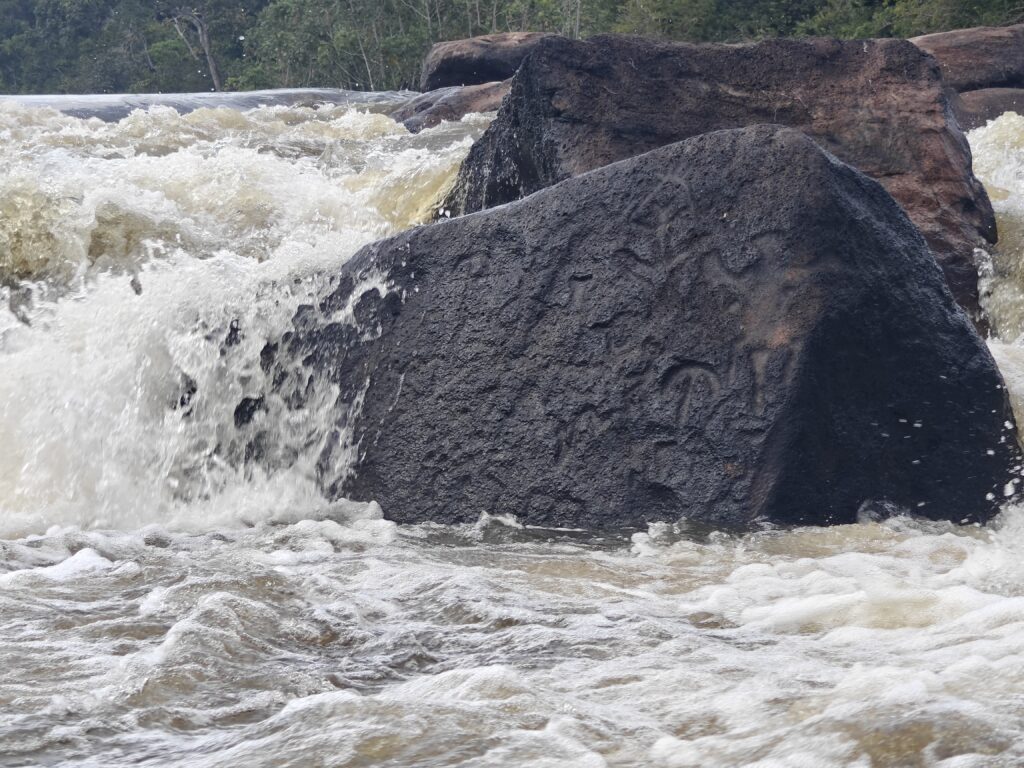
6,000 yr old petroglyph indicates a good fishing site
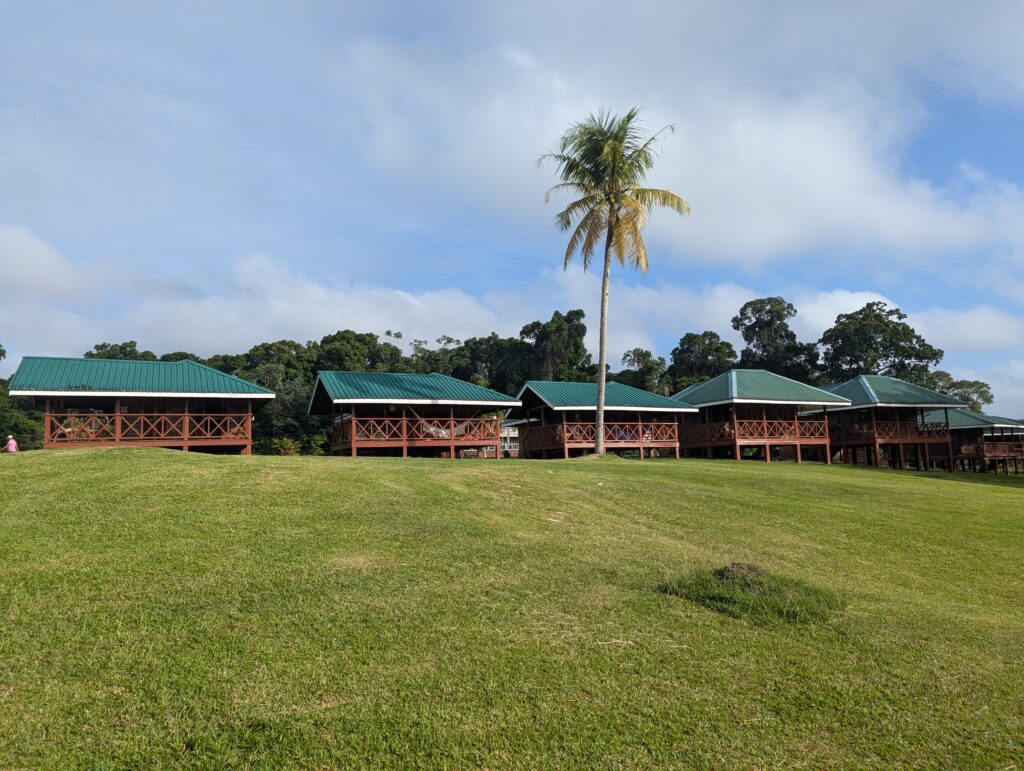
Iwokrama Cabins
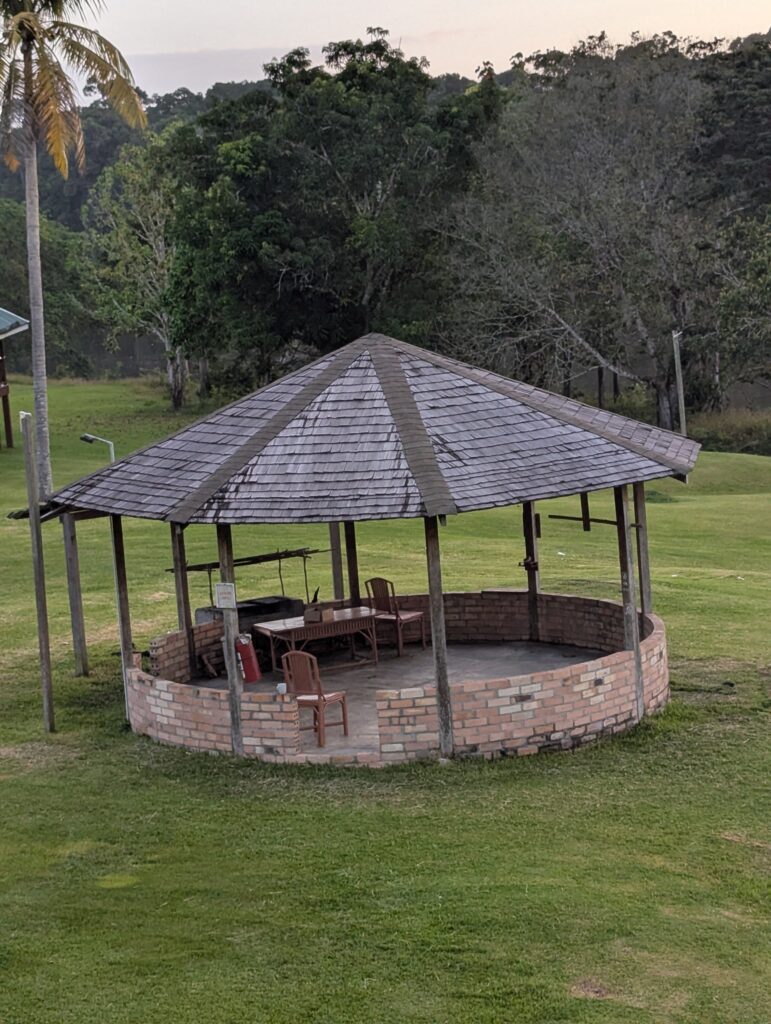
Benab Hut
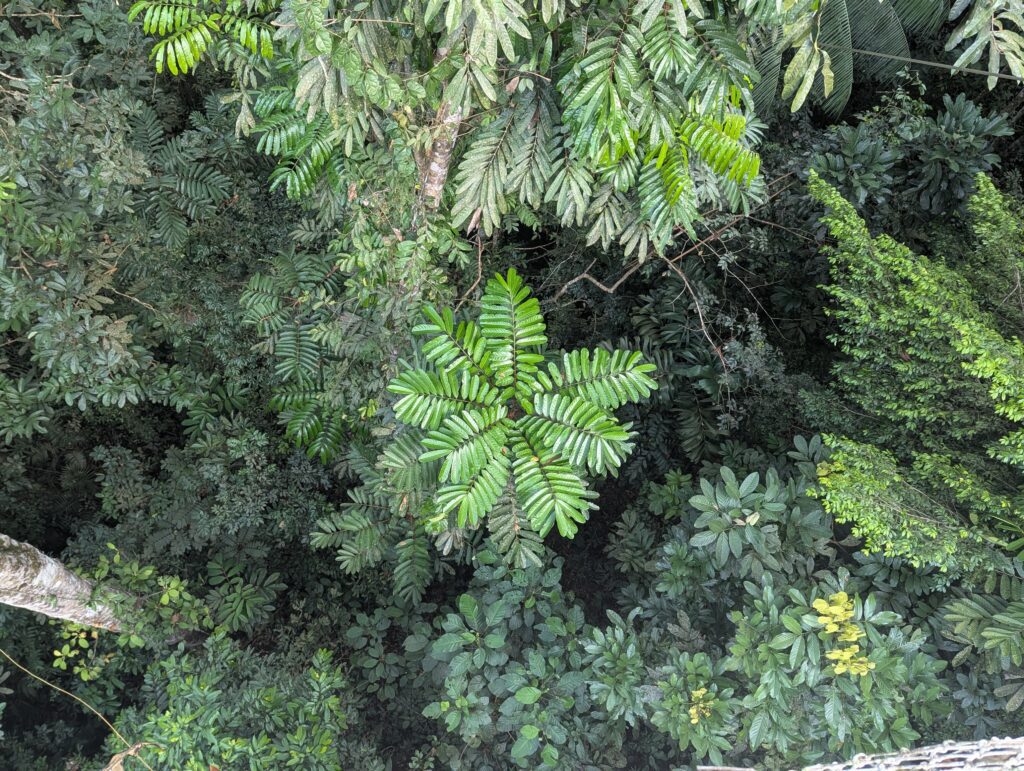
Looking down from the Canopy Walkway
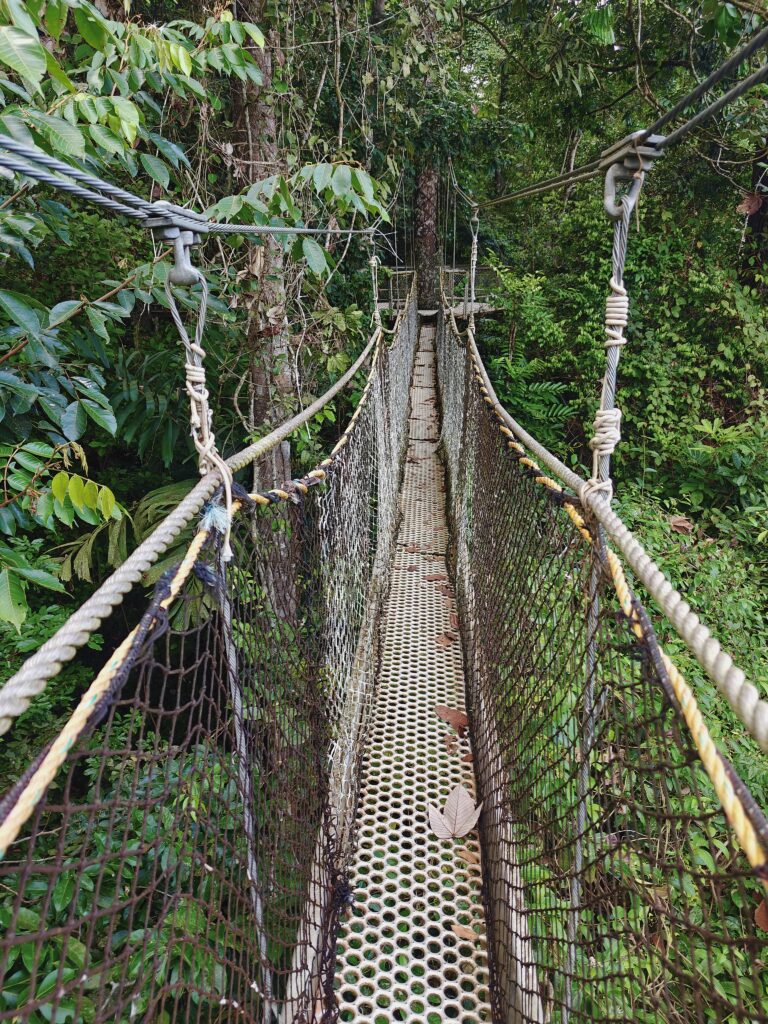
Iwokrama Canopy Walkway
Back to News