
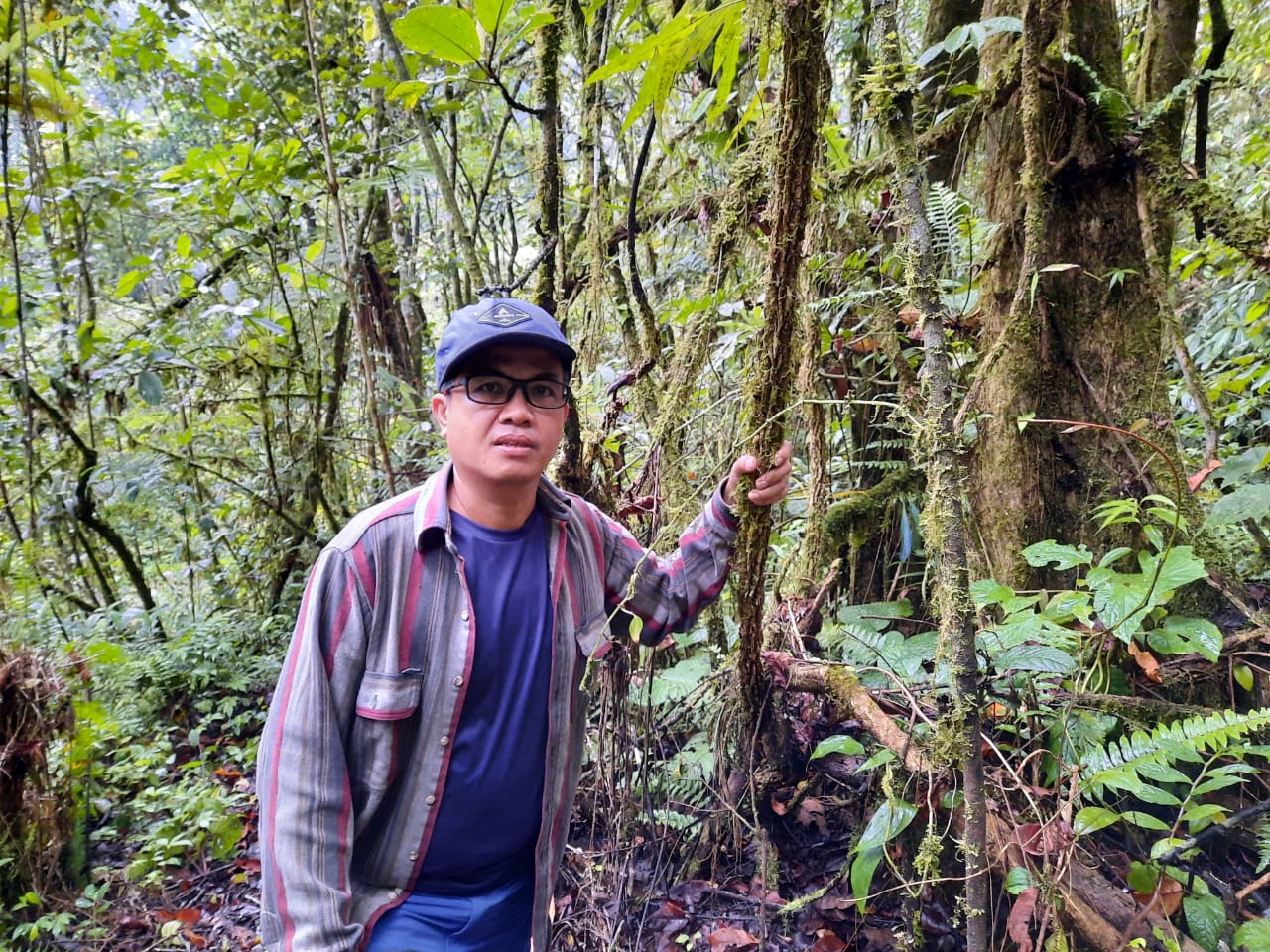
HaKI has been working very closely with the community, including indigenous people, to ensure their rights are respected. Peter Gerhardt from EPN reached out to Aidil Fitri from the Hutan Kita Institute – HaKI.
What motivated you to become an environmentalist?
I was born in a very small village in South Sumatra surrounded by healthy forests and clean rivers. In about 1995, oil palm and timber companies came to our area and destroyed a lot of this natural environment. This motivated me to join a nature lovers organization when I was in college. We visited many remote places in South Sumatra, working closely with local people and communities. Later, I joined Walhi (Friends of the Earth Indonesia), took part in protests, joined their investigations and continued to work with communities.
What is the focus of HAKI?
HAKI is mostly working on forests, peatland and indigenous and local peoples rights. The organization itself was established in 2015 – but we had several other organizations before, based on the same idea and working style.
What are the challenges today in Sumatra – is the pulp and paper or the palm oil industry still growing?
Yes, palm oil plantations, as well as the timber and paper industry are still expanding. We have two big paper companies in south Sumatra – APP and PT. Tanjung Enim Lestari (Marubeni affiliation). Although in theory they are not expanding further, they use other companies and even local communities and people as their „hands“ to take on more land and open new areas for their businesses.
Is your focus on social issues a problem in terms of acquiring donor money from the international community?
Fundraising can be challenging if we only talk about social or human rights issues. This is why we always link it to environmental and forest issues. Essentially, if we do not pay attention to protecting and respecting the community rights of the people living in and around the forest, nature can not be protected.
Is there a common understanding between NGO-staff and rural people in Indonesia?
Most of the NGOs that work with communities have a very good relationship with local people and communities. They are themselves usually from the lower middle class or come from smaller villages.
Is speaking English a bottleneck for international cooperation of NGOs in Indonesia?
Yes, especially for the local communities. Sometimes they do not even speak Bahasa fluently, because they have their own local language. Speaking English – even for many NGOs – is a big problem.
Is there a positive side to the palm oil and paper industry coming to Indonesia in terms of development and standard of living?
People who are working in or have skills that are useful for these industries can benefit from them. But for most of the people living in rural areas without a good education, this development is not creating any opportunities. Ninety percent of them are farmers and depend on the land – so when this is taken away by companies, they are losing their livelihood.
Did the awareness of environmental protection in Indonesia change in the last 20-30 years?
Compared to the 90’s, when my interest in the environment and forests started, environmental protection has become much more important. Back then, working with environmental or social NGOs was very rare. Nowadays, people are realizing that this kind of work is important and it is slowly becoming more common.
What is the value for HAKI to be part of the EPN?
The EPN allows us to learn from other NGOs, work with them together and share our views.
Especially for local organizations it is very important to share our work – without a good network, nationally and internationally, it is hard to disseminate our findings from on the ground.
Thank you so much!
Back to News