
As the world looks for alternatives to fossil fuels, large-scale biomass energy – burning wood for power and heat – has emerged as a popular solution. But behind its “green” reputation, the rapid expansion of the biomass industry is causing a host of serious human rights concerns that are often overlooked.
The supply chain for biomass energy stretches across continents: forests are felled, wood is processed into pellets or chips, and then transported to power plants to be burned. Every step carries human rights impacts – often far from where the energy is actually used. These issues are presented in a new briefing, published today by the Biomass Action Network, and illustrated with case studies from Chile, Brazil, the USA, Sweden, Ghana, Mozambique, Uganda, Indonesia, Nepal and Thailand.
Community Rights are Under Threat Rising demand for forest biomass is fueling land grabs and conflicts. Sourcing wood from natural forests intensifies deforestation and threatens people who rely directly on these ecosystems. Indigenous, tribal, and local communities are losing their land, resources, and cultural heritage as forests are cleared or converted into monoculture tree plantations. Replacing forests with plantations creates biodiversity deserts and can dry up water sources, further harming local communities.
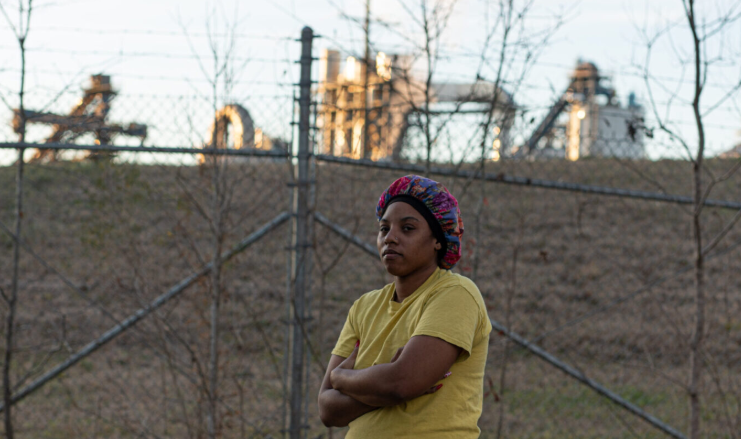
Health and Well-being is at Risk Biomass facilities are frequently sited in disadvantaged areas, adding pollution and health risks to already vulnerable populations. Processing and burning wood releases harmful substances, including fine particulates and toxic chemicals, which can cause respiratory, cardiovascular, and developmental problems. The destruction of forests – nature’s shield against climate change – leaves communities more exposed to extreme weather and pollution.
Bioenergy Technologies are Amplifying the Problem Technologies that rely on forest biomass – including so-called “green” fuels and Bioenergy with Carbon Capture and Storage (BECCS) – carry the same human rights risks. For instance, climate models often rely on large-scale deployment of BECCS to limit warming to 1.5°C, however this could require land on the scale of entire countries, driving up food prices and worsening water scarcity.
The Way Forward It’s clear that large-scale biomass energy is not the benign climate solution it’s advertised to be. Unless it is halted, its expansion will continue to compromise the well-being, dignity, and survival of communities around the world. As the UN itself warns, a precautionary approach – centered on human rights and ecosystem health – is urgently needed:
“Due to considerable climate, environmental and human rights concerns, new bioenergy development should be considered with the highest level of precaution and extensive consideration of alternatives, in the context of a human rights-based and ecosystem approach..” – Summary of the Report of the Special Rapporteur on the promotion and protection of human rights in the context of climate change.
Back to News